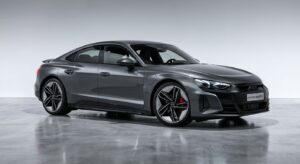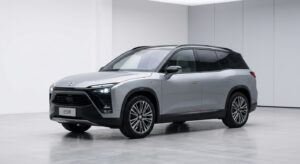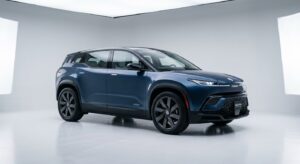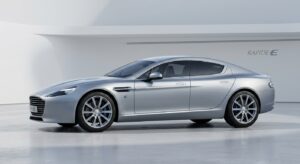
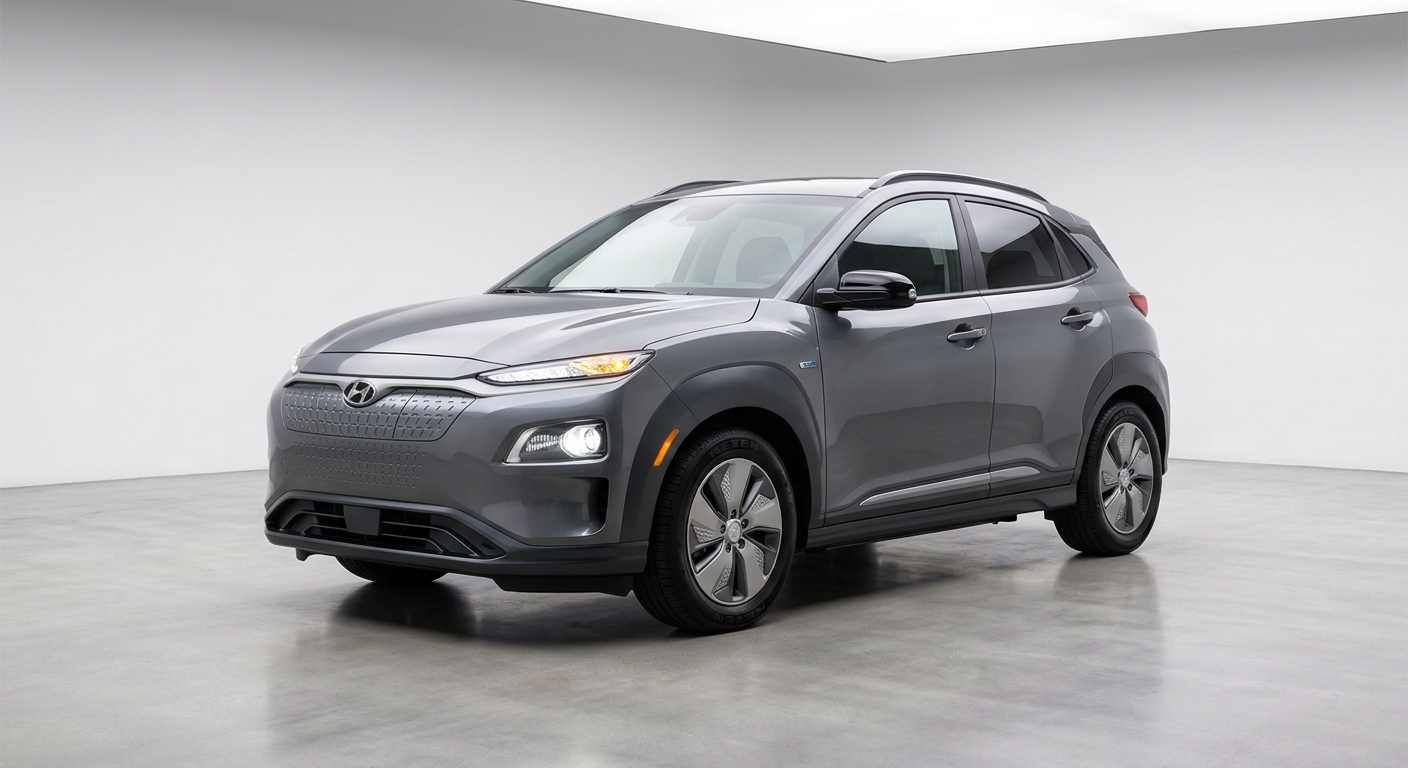
While Tesla dominated headlines and luxury brands rushed to produce six-figure electric flagships, Hyundai quietly revolutionized the EV landscape with something far more significant: an electric vehicle that ordinary people could actually afford and live with. The 2019 Kona Electric didn’t break speed records or win design awards, but it delivered something more valuable: proof that mainstream electric mobility was finally ready for prime time.
The Right Formula at the Right Time
The Kona Electric arrived at a pivotal moment in automotive history. Early EVs like the Nissan Leaf had proven the concept but suffered from limited range and polarizing designs. Tesla had shown what electric performance could achieve but at premium prices. What the market desperately needed was a normal-looking, reasonably priced electric vehicle that could match the practicality of conventional cars.
Hyundai’s approach was refreshingly pragmatic. Rather than reinventing the wheel, they took their successful Kona compact SUV platform and engineered it to accommodate a substantial 64 kWh battery pack. The result was an EPA-rated range of 258 miles, a figure that seemed almost impossible for a sub-$40,000 EV just a few years earlier.
Living with Electric Power
Behind the wheel, the Kona Electric delivers the instant torque and whisper-quiet operation that defines the EV experience. The single electric motor produces 201 horsepower and 291 lb-ft of torque, launching the compact SUV to 60 mph in a respectable 6.4 seconds. While not sports car quick, it’s more than adequate for daily driving and provides the kind of effortless acceleration that makes electric powertrains so appealing in urban environments.
The driving experience emphasizes comfort and efficiency over excitement. Regenerative braking can be adjusted through paddle shifters, allowing for near one-pedal driving in heavy traffic. The suspension tuning prioritizes ride comfort, though the low-mounted battery pack does provide a surprisingly stable feel through corners. This isn’t a vehicle designed to thrill, but rather to seamlessly integrate electric power into everyday life.
Practical Electric Design
Inside, the Kona Electric largely mirrors its gasoline sibling, which proved to be exactly the right approach. The cabin feels conventional and welcoming, avoiding the stark minimalism that characterized some early EVs. Physical controls remain for climate and audio functions, while an 8-inch touchscreen handles infotainment and charging information.
The rear seats are adequate for adults on short trips, though the sloping roofline limits headroom. Cargo space suffers slightly compared to the gas Kona due to the battery pack, but the 19.2 cubic feet of storage remains competitive in the compact SUV segment. More importantly, the charging port’s front-fender location makes plugging in convenient in most parking situations.
Charging Into the Future
Perhaps the Kona Electric’s most significant achievement was proving that mainstream automakers could deliver genuine fast-charging capability. The vehicle supports DC fast charging up to 75 kW, enabling 10-80% charges in around 45 minutes. While not as rapid as the latest generation of EVs, it represented a massive step forward for affordable electric vehicles.
Home charging on a Level 2 system requires about 9.5 hours for a full charge, making overnight charging practical for most owners. The vehicle’s efficiency of 120 MPGe combined helps stretch each charge, while multiple driving modes allow drivers to optimize for either performance or maximum range.
Market Impact and Legacy
The Kona Electric’s importance extends far beyond its specifications. It demonstrated that traditional automakers could leverage their manufacturing scale and dealer networks to bring electric vehicles to markets where Tesla had limited presence. The vehicle found particular success in Europe and Canada, where government incentives made the economics even more compelling.
More significantly, it proved that electric vehicles didn’t need to look like science experiments or carry luxury price tags to succeed. The Kona Electric’s conventional SUV styling and straightforward user interface helped normalize electric power for buyers who might have been intimidated by more radical EV designs.
The 2019 Hyundai Kona Electric succeeded precisely because it didn’t try to reinvent transportation or make bold statements about the future. Instead, it delivered practical electric mobility wrapped in familiar, accessible packaging. Five years later, as electric vehicles have moved from novelty to necessity, the Kona Electric’s approach feels remarkably prescient: sometimes the most revolutionary act is simply making advanced technology ordinary.