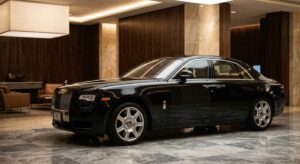
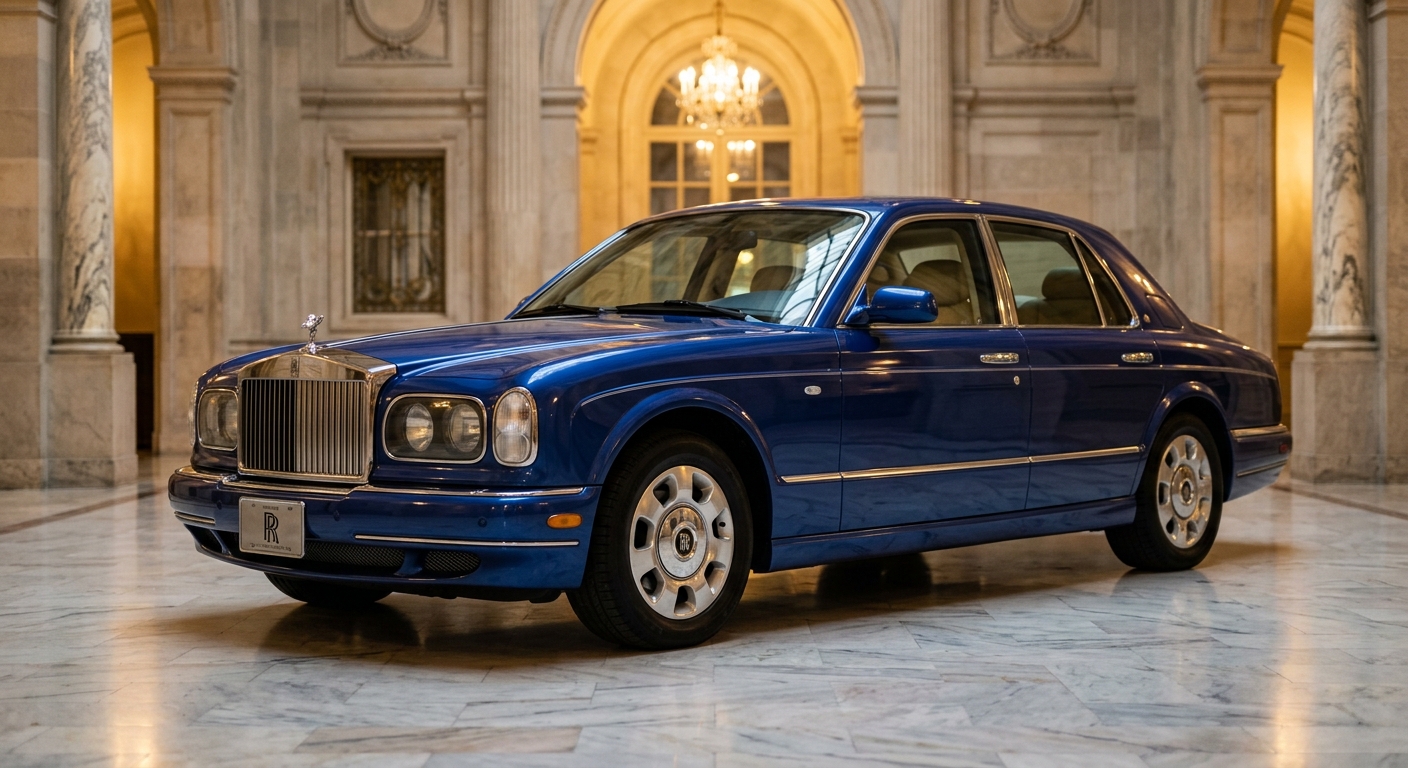
In 1999, the automotive world witnessed the end of an era. The Silver Seraph represented the final chapter of traditional Rolls-Royce ownership before BMW took control of the Flying Lady marque. Built in the storied Crewe factory where craftsmanship had been perfected over decades, this wasn’t just another luxury sedan but a farewell letter to British automotive independence.
The BMW Connection
Perhaps the most controversial aspect of the Silver Seraph was what lay beneath its imposing bonnet. Gone was the traditional Rolls-Royce V8, replaced by BMW’s silky-smooth 5.4-liter V12 engine. Purists cried foul, but the Bavarian powerplant delivered 322 horsepower and 361 lb-ft of torque with a refinement that even impressed the Crewe craftsmen. The engine was so quiet that Rolls-Royce engineers had to add artificial sound dampening to prevent the unsettling silence that unnerved passengers.
Handcrafted Excellence
What remained unchanged was the meticulous attention to detail that had defined Rolls-Royce for nearly a century. Each Silver Seraph required over 350 hours to complete, with leather hides hand-selected and wood veneers book-matched by artisans who had learned their trade through generations of Crewe tradition. The interior featured Connolly leather, Wilton wool carpets, and burr walnut trim that took weeks to properly finish.
Driving the Dream
Behind the wheel, the Silver Seraph delivered the serene driving experience expected of the marque. The BMW V12 propelled the 5,500-pound sedan to 60 mph in just 6.3 seconds, remarkable for such a stately machine. More importantly, it did so with the whisper-quiet composure that made Rolls-Royce legendary. The ride quality bordered on supernatural, with the advanced suspension system smoothing even the roughest surfaces into silk.
Technology Meets Tradition
The Silver Seraph incorporated modern conveniences while maintaining its traditional character. Climate control was managed by an advanced system that maintained perfect cabin temperature, while the audio system delivered concert-hall acoustics. Yet these innovations were seamlessly integrated into the timeless dashboard design, ensuring that technology never overwhelmed the classic Rolls-Royce experience.
Market Position and Legacy
Priced at $246,000 in 1999, the Silver Seraph competed directly with the Mercedes-Maybach and Bentley Arnage. Its production run was limited, with only 1,570 units built during its five-year lifespan. Today, these final Crewe-built Rolls-Royces have gained appreciation among collectors who recognize their significance as the last of the traditional British luxury cars before globalization changed the industry forever.
The Silver Seraph stands as a poignant reminder of what luxury motoring once represented: uncompromising craftsmanship, whisper-quiet refinement, and the sort of presence that stopped traffic without trying. While purists may debate the BMW engine, there’s no arguing with the results. This is automotive history you can still afford to own.