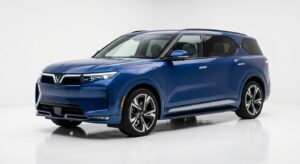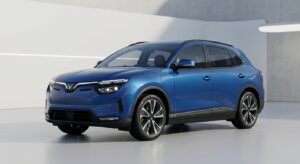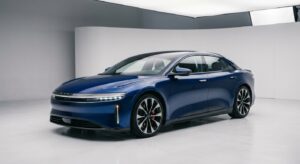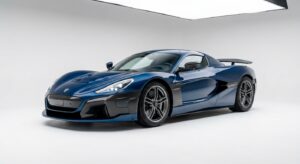
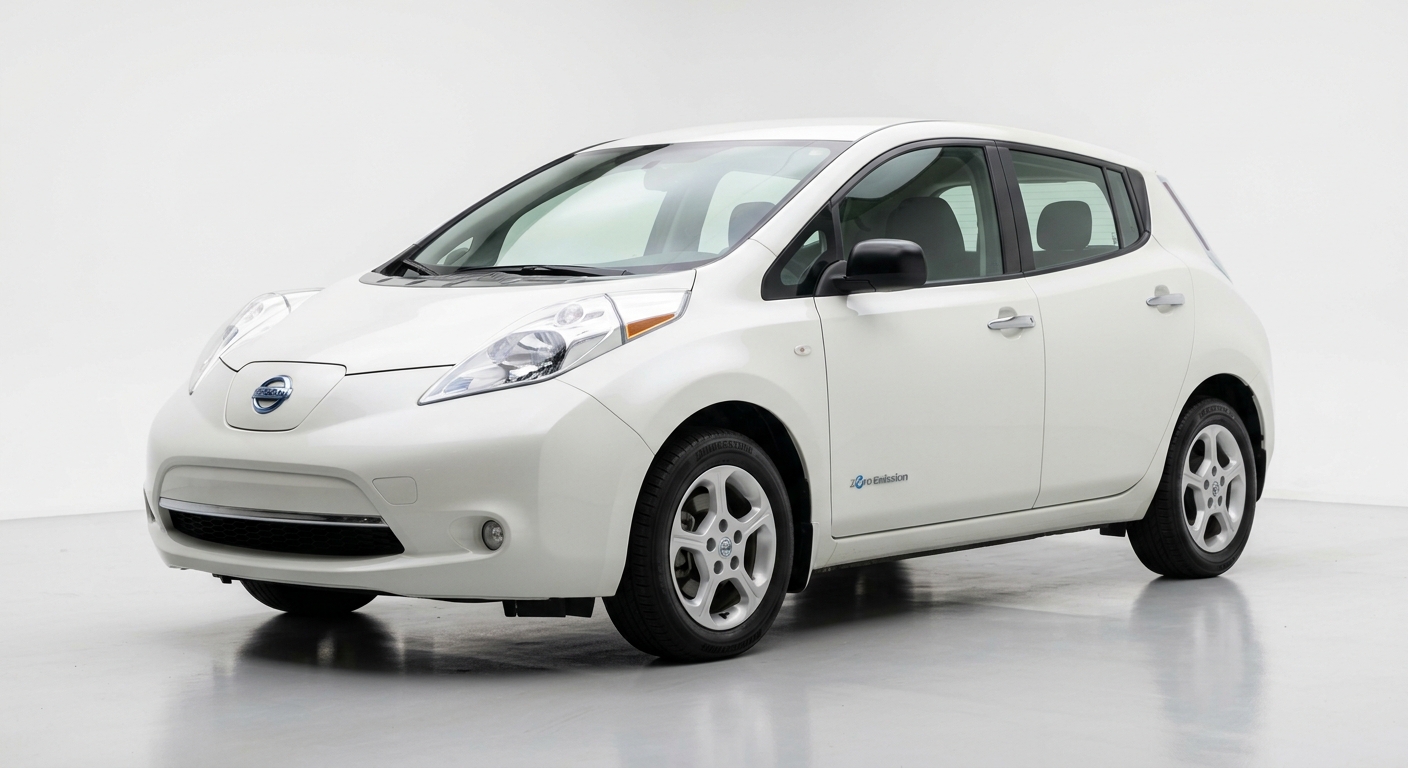
Long before Tesla became a household name and every automaker scrambled to electrify their lineup, Nissan took a massive gamble on the future of transportation. The LEAF, launched in 2010 and refined through its 2015 iteration, represented something genuinely revolutionary: the first mass-market electric vehicle designed from the ground up for ordinary people living ordinary lives.
The Pioneer’s Promise
The 2015 LEAF arrived at a pivotal moment in automotive history. While Tesla was building expensive toys for tech executives, Nissan was solving the fundamental challenge of electric mobility: making it affordable and accessible. With a starting price under $30,000 (before incentives), the LEAF democratized electric driving in ways that seemed impossible just a decade earlier.
Behind the wheel, the LEAF delivers the instant torque and whisper-quiet refinement that defines the electric experience. The 107-horsepower electric motor produces 187 lb-ft of torque from zero RPM, providing surprisingly peppy acceleration around town. It’s not fast by traditional standards, but the immediate response creates an engaging urban driving experience that feels more sophisticated than the modest power figures suggest.
Living with Early EV Technology
The 2015 model year brought meaningful improvements to the LEAF formula, including an optional 30 kWh battery pack that extended range to 107 miles (up from 84 miles with the base 24 kWh pack). While those numbers seem quaint by today’s standards, they represented genuine progress in making electric vehicles viable for more drivers.
Range anxiety was real with the LEAF, but clever owners learned to work within its limitations. The car excelled as a commuter vehicle and city runabout, where its tight turning radius, elevated seating position, and near-silent operation proved genuinely advantageous. Pre-conditioning the cabin while plugged in, maximizing regenerative braking, and planning routes around charging infrastructure became part of the LEAF ownership experience.
Charging happened primarily at home through a standard 240V outlet, with a full charge taking about 8 hours with the larger battery. Public charging was still sparse in 2015, making the LEAF more suitable for drivers with predictable daily routines rather than spontaneous road trip enthusiasts.
Design and Interior Innovation
Nissan’s designers embraced the LEAF’s electric identity with distinctive styling that clearly communicated its eco-friendly mission. The closed-off grille, aerodynamic headlights, and flowing body lines weren’t conventionally beautiful, but they served the crucial purpose of maximizing efficiency while announcing the arrival of something genuinely different.
Inside, the LEAF featured an surprisingly spacious cabin thanks to the flat floor made possible by the under-mounted battery pack. The dashboard incorporated specific EV interfaces, including a detailed energy consumption display and charging timer controls. Materials were decent for the price point, though clearly designed with economy in mind rather than luxury.
The Bigger Picture
What makes the 2015 LEAF historically significant isn’t its performance or luxury, but its role as automotive bridge between the gasoline past and electric future. Every Tesla Model Y, every Mustang Mach-E, every electric vehicle rolling off production lines today owes something to Nissan’s willingness to bet big on electric technology when it was still commercially risky.
The LEAF proved that electric cars could integrate into normal people’s lives, that they could be manufactured at scale, and that there was genuine consumer demand for zero-emission transportation. It demonstrated that the electric revolution wouldn’t be led only by startups and luxury brands, but by mainstream automakers willing to challenge conventional wisdom.
The 2015 LEAF wasn’t perfect, but it was genuinely important in ways that transcend traditional automotive metrics. It proved that electric cars could work for real people with real budgets, paving the way for the EV revolution we’re living through today. Sometimes the most significant cars aren’t the fastest or most beautiful, but the ones brave enough to show us the future first.