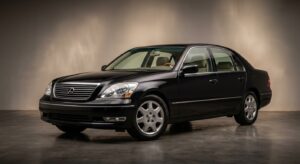
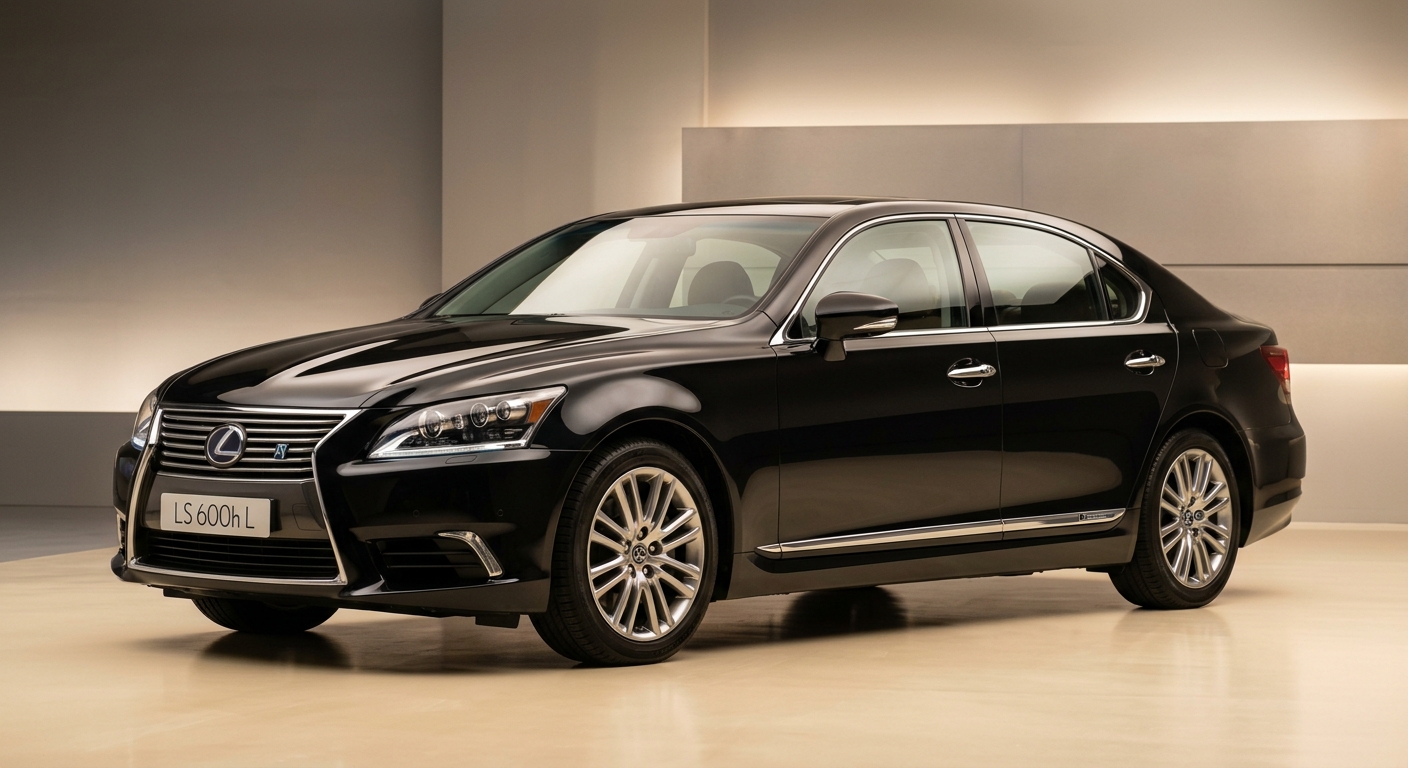
In 2008, the idea of a hybrid luxury car seemed almost contradictory. Performance enthusiasts scoffed at battery packs, while luxury buyers questioned whether green technology belonged in a six-figure flagship. Then Lexus unveiled the LS 600h L, a technological tour de force that didn’t just challenge preconceptions but obliterated them entirely.
The Dawn of Hybrid Luxury
The LS 600h L represented Lexus’s boldest gambit yet: proving that environmental responsibility and ultimate luxury could coexist. At its heart lay Toyota’s most sophisticated hybrid system to date, pairing a 5.0-liter V8 with two electric motors and a nickel-metal hydride battery pack. The total system output of 438 horsepower made this not just the most powerful Lexus ever built, but also the most fuel-efficient flagship sedan in the world.
What truly set the 600h L apart was how seamlessly it integrated its hybrid technology. Unlike the Prius, which wore its green credentials on its sleeve, the LS hybrid was almost apologetically subtle about its environmental mission. The only external clues were discrete hybrid badges and unique wheel designs that optimized aerodynamics without sacrificing elegance.
Technology Meets Tranquility
Step inside the LS 600h L, and you’re immediately transported into Lexus’s vision of automotive luxury circa 2008. The long-wheelbase configuration provided rear passengers with limousine-like space, while the available Executive Package added features that bordered on the absurd: massaging seats with shiatsu functions, a rear-seat refrigerator, and climate-controlled cup holders that could keep beverages at precisely the right temperature.
The technological showcase continued with the world’s first production car to offer LED headlights as standard equipment. The adaptive lighting system could literally see around corners, adjusting beam patterns based on steering angle and vehicle speed. It was the kind of forward-thinking technology that would become commonplace a decade later but felt genuinely revolutionary in 2008.
Behind the wheel, the LS 600h L delivered a uniquely serene driving experience. The hybrid system’s ability to run in pure electric mode at low speeds meant you could glide through parking lots in complete silence, a party trick that never got old. When the V8 did fire up, it did so with such refinement that passengers often couldn’t tell when the transition occurred.
The Quiet Revolution
Performance figures told only part of the story. Yes, the LS 600h L could accelerate from 0-60 mph in just 5.5 seconds, making it quicker than many sports cars of the era. But more impressive was its ability to achieve nearly 22 mpg in combined driving while doing so. For context, the non-hybrid LS 460 L managed just 18 mpg combined, making the hybrid’s efficiency gains genuine rather than merely theoretical.
The all-wheel-drive system, standard on all LS 600h L models, used the rear electric motor to provide instant traction without the weight and complexity of a traditional transfer case. Combined with the advanced air suspension that could adjust ride height and damping in real-time, the result was a car that felt both athletically capable and supremely comfortable.
A Statement of Intent
At launch, the LS 600h L carried a price premium of nearly $20,000 over the conventional LS 460 L. Critics questioned whether buyers would pay extra for fuel economy in a segment where running costs were rarely a primary concern. But they missed the point entirely. The 600h L wasn’t about saving money at the pump; it was about making a statement that luxury and responsibility weren’t mutually exclusive.
The execution wasn’t perfect. The hybrid system added considerable weight, and the CVT transmission, while smooth, lacked the engaging character of a traditional automatic. Some purists also mourned the loss of the naturally aspirated V8’s more characterful soundtrack. But these were minor quibbles in what was otherwise a masterpiece of automotive engineering.
The 2008 Lexus LS 600h L proved that the future of luxury wasn’t about choosing between opulence and responsibility, but finding elegant ways to combine both. It remains one of the most forward-thinking flagship sedans ever built, a car that was solving tomorrow’s problems today. In a world increasingly focused on sustainability, the LS 600h L’s vision feels remarkably prescient.