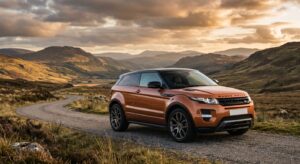
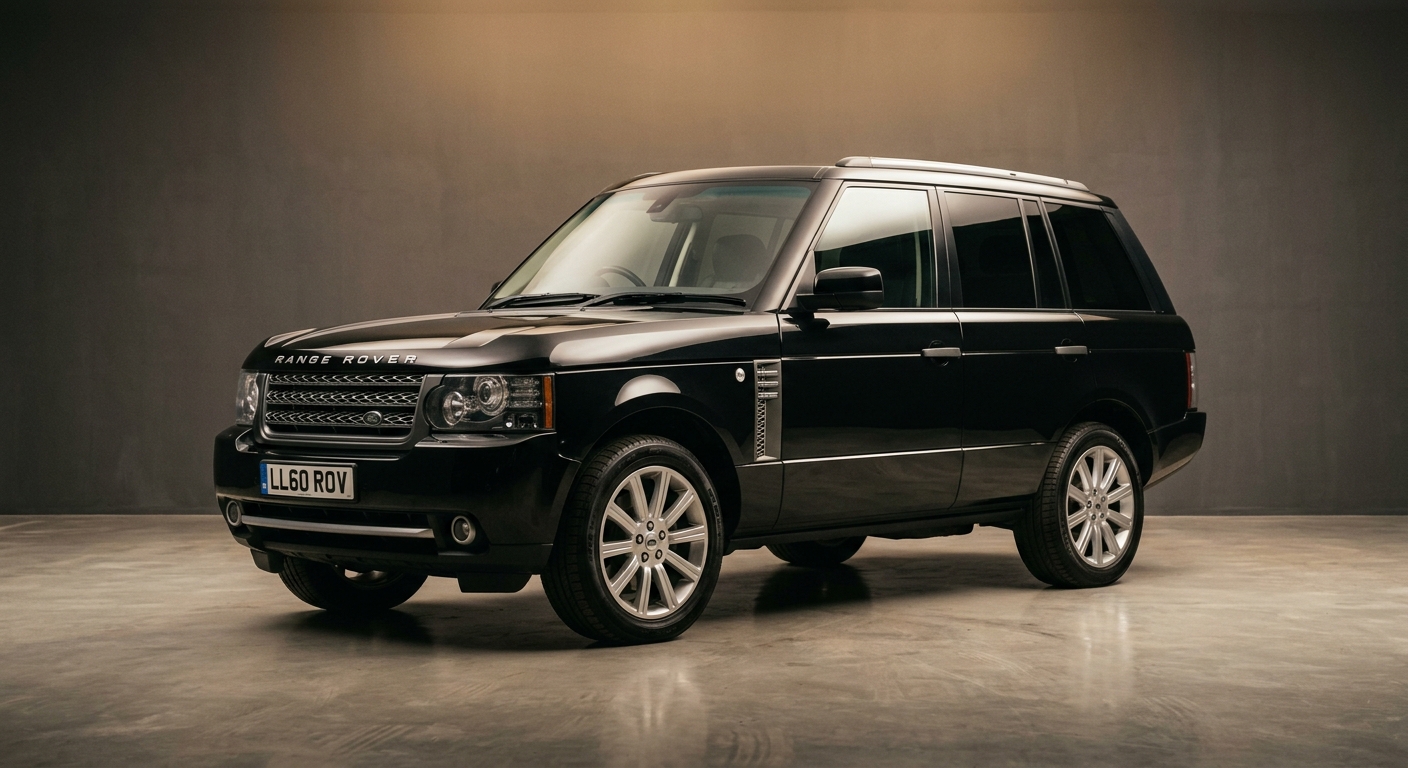
There’s something deeply satisfying about a vehicle that knows exactly what it is. The 2010 Range Rover HSE doesn’t apologize for its size, its thirst, or its price tag. Instead, it wears its luxury SUV crown with the confidence of British royalty, delivering an experience that few competitors can match.
This third-generation Range Rover represents the pinnacle of the L322 series, a model line that redefined what a luxury SUV could be when it launched in 2002. By 2010, Land Rover had refined the formula to near perfection, creating a vehicle that could traverse a construction site in the morning and arrive at the opera house in the evening without missing a beat.
Royal Treatment Behind the Wheel
Climbing into the Range Rover HSE feels like ascending to a throne. The commanding seating position offers a view over traffic that borders on imperious, while the cabin surrounds you in materials that would make a Savile Row tailor proud. The leather is supple, the wood trim is genuine, and the overall ambiance speaks of craftsmanship rather than mere assembly.
The 5.0-liter naturally aspirated V8 delivers power with the smoothness of aged whiskey. At 375 horsepower, it’s not the most powerful engine in the luxury SUV segment, but it provides effortless acceleration that suits the Range Rover’s character perfectly. The six-speed automatic transmission shifts with the discretion of a well-trained butler, never drawing attention to itself.
On the road, the Range Rover HSE glides with an authority that comes from decades of refinement. The air suspension absorbs imperfections with aristocratic disdain, while the chassis maintains composure even when pushed harder than most owners will ever attempt. This is a vehicle designed for covering continents in comfort, not carving canyon roads.
Capability Meets Luxury
What truly sets the Range Rover apart is its dual personality. While it excels as a luxury limousine on pavement, it transforms into a surprisingly capable off-road machine when the terrain gets challenging. The Terrain Response system allows drivers to optimize the vehicle’s behavior for different conditions with the twist of a dial.
The advanced air suspension can raise the vehicle for increased ground clearance or lower it for easier entry and improved aerodynamics at highway speeds. Electronic traction aids work seamlessly to maintain progress over challenging terrain, while the permanent all-wheel-drive system distributes power with mechanical precision.
Interior Sanctuary
The cabin of the 2010 HSE showcases Land Rover’s attention to detail. Every surface feels substantial and well-considered, from the leather-wrapped steering wheel to the solid aluminum control knobs. The rear seats offer limousine-like comfort with generous legroom and excellent visibility through the large windows.
Technology integration feels mature rather than gimmicky. The navigation system is intuitive, the premium audio system delivers concert-hall clarity, and the climate control maintains perfect conditions regardless of external weather. This is technology in service of comfort rather than technology for its own sake.
The L322 Legacy
The L322 generation marked a fundamental shift for Range Rover. Gone was the agricultural charm of earlier models, replaced by a sophisticated luxury vehicle that could compete with the finest German offerings while retaining its uniquely British character. The 2010 model year represents the mature expression of this philosophy.
Build quality had improved dramatically by 2010, with many of the electrical gremlins that plagued earlier L322 models finally exorcised. The result is a Range Rover that delivers on its luxury promises while maintaining the off-road capability that defines the brand.
The 2010 Range Rover HSE stands as a monument to what happens when engineering excellence meets unwavering vision. It’s expensive to buy, costly to maintain, and utterly unapologetic about both facts, yet it delivers an ownership experience that justifies every penny. This is luxury SUV royalty in its purest form.