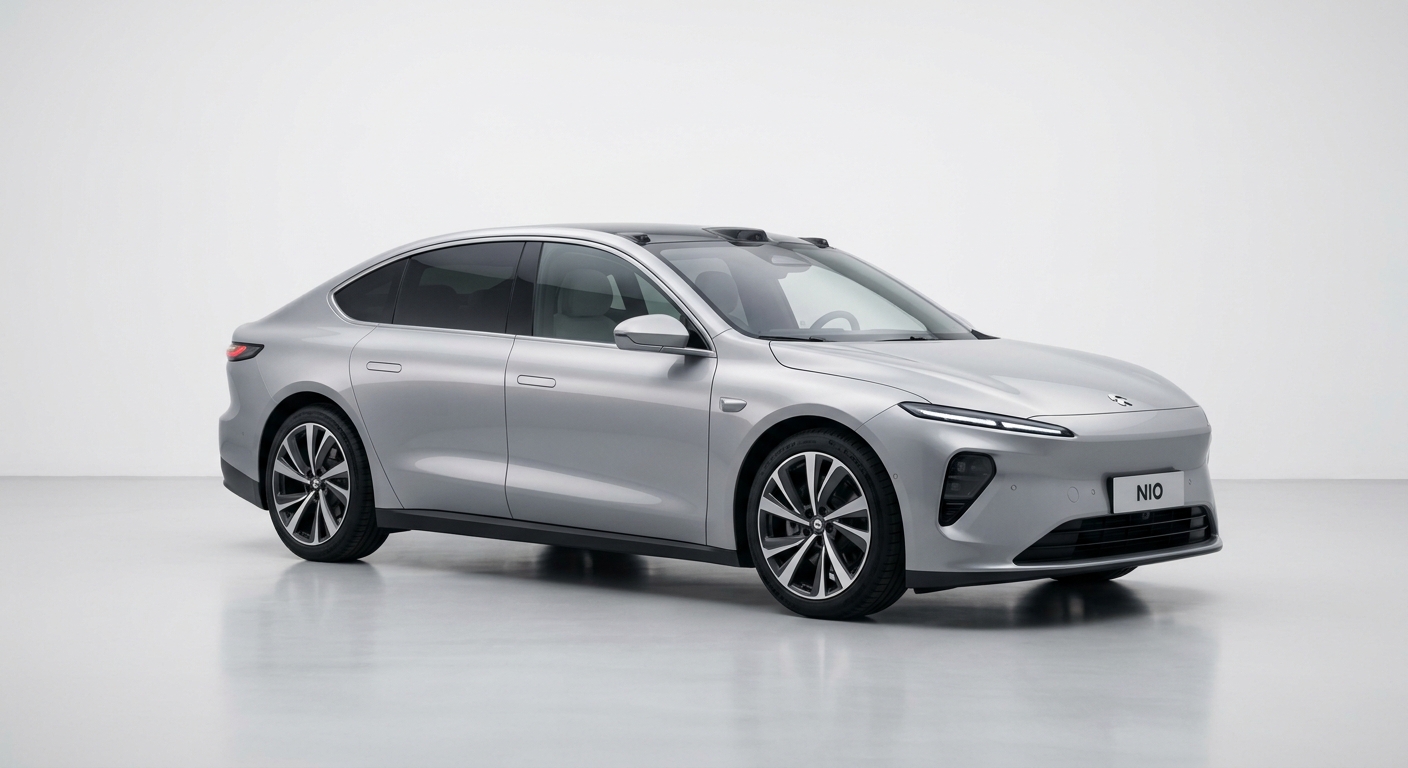
China’s electric vehicle revolution has produced some genuinely impressive machines, but few have captured global attention quite like the NIO ET7. This isn’t just another Tesla clone or compliance car; it’s a genuine luxury sedan that happens to be electric, with technology and refinement that can go toe-to-toe with the best from Germany or California.
The ET7 represents NIO’s flagship sedan, combining the brand’s innovative battery-swapping technology with genuine luxury credentials and performance that puts it squarely in Model S territory. But does this Chinese upstart have what it takes to challenge the established order?
Design and First Impressions
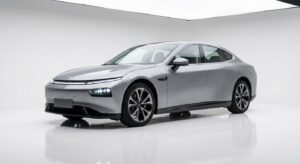
The ET7’s exterior strikes a careful balance between elegance and athleticism. The fastback silhouette screams performance sedan, while the clean surfaces and minimal brightwork speak to contemporary luxury design. NIO’s signature X-Bar front end gives the car a distinctive face, while the flush door handles and active aerodynamics hint at the sophisticated engineering beneath.
Step inside, and you’re greeted by what might be the most impressive interior in any EV sedan. The materials quality rivals anything from Stuttgart or Munich, with Nappa leather, real wood trim, and aluminum accents creating an atmosphere of understated luxury. The massive 12.8-inch AMOLED display dominates the dashboard, but it’s integrated so seamlessly that it feels like a natural extension of the interior architecture.
The Battery Swap Revolution
What truly sets the ET7 apart is NIO’s battery-swapping technology. While other manufacturers focus solely on faster charging, NIO has created a system where depleted battery packs can be swapped for fresh ones in under five minutes. It’s a radical approach that eliminates range anxiety and makes long-distance travel as convenient as filling up with gasoline.
The 100kWh battery pack provides up to 500 kilometers of WLTP range, which is competitive with the best EVs on the market. But more importantly, when you need to refuel, you simply drive to a Power Swap station and let the automated system do the work. It’s automotive theater at its finest, and it works flawlessly.
Performance and Dynamics
The ET7’s dual-motor all-wheel-drive system produces 480 horsepower and 700 Nm of torque, launching this luxury sedan from 0-100 km/h in just 3.9 seconds. That’s properly quick by any standard, but what’s more impressive is how effortlessly the ET7 delivers its performance. There’s no drama, no wheelspin, just relentless forward progress accompanied by an otherworldly silence.
The air suspension system provides a remarkable balance between comfort and control. In Comfort mode, the ET7 glides over imperfections with the serenity of a Rolls-Royce. Switch to Sport, and the dampers firm up considerably, transforming the sedan into something that can genuinely entertain on a winding road. The steering is appropriately weighted and surprisingly communicative for an EV of this size.
Technology and Innovation
NOMI, NIO’s AI assistant, is more than just a voice recognition system. It’s a genuinely helpful companion that learns your preferences and can control everything from climate settings to seat positions. The over-the-air updates are comprehensive and frequent, meaning your ET7 genuinely improves over time.
The build quality is exceptional, with panel gaps that would make German engineers proud and a solidity that suggests NIO has mastered the art of premium car construction. This is light years beyond the typical Chinese car stereotype, representing a quantum leap in manufacturing sophistication.
The NIO ET7 represents a genuine paradigm shift in how we think about Chinese automotive engineering. This isn’t just a competent electric sedan, it’s a legitimate luxury car that happens to come from China, complete with innovation that makes traditional manufacturers look dated. The battery-swapping technology alone makes this one of the most forward-thinking EVs money can buy.