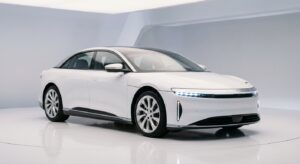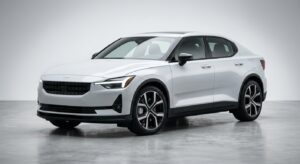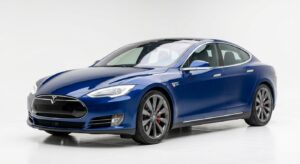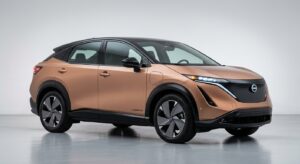
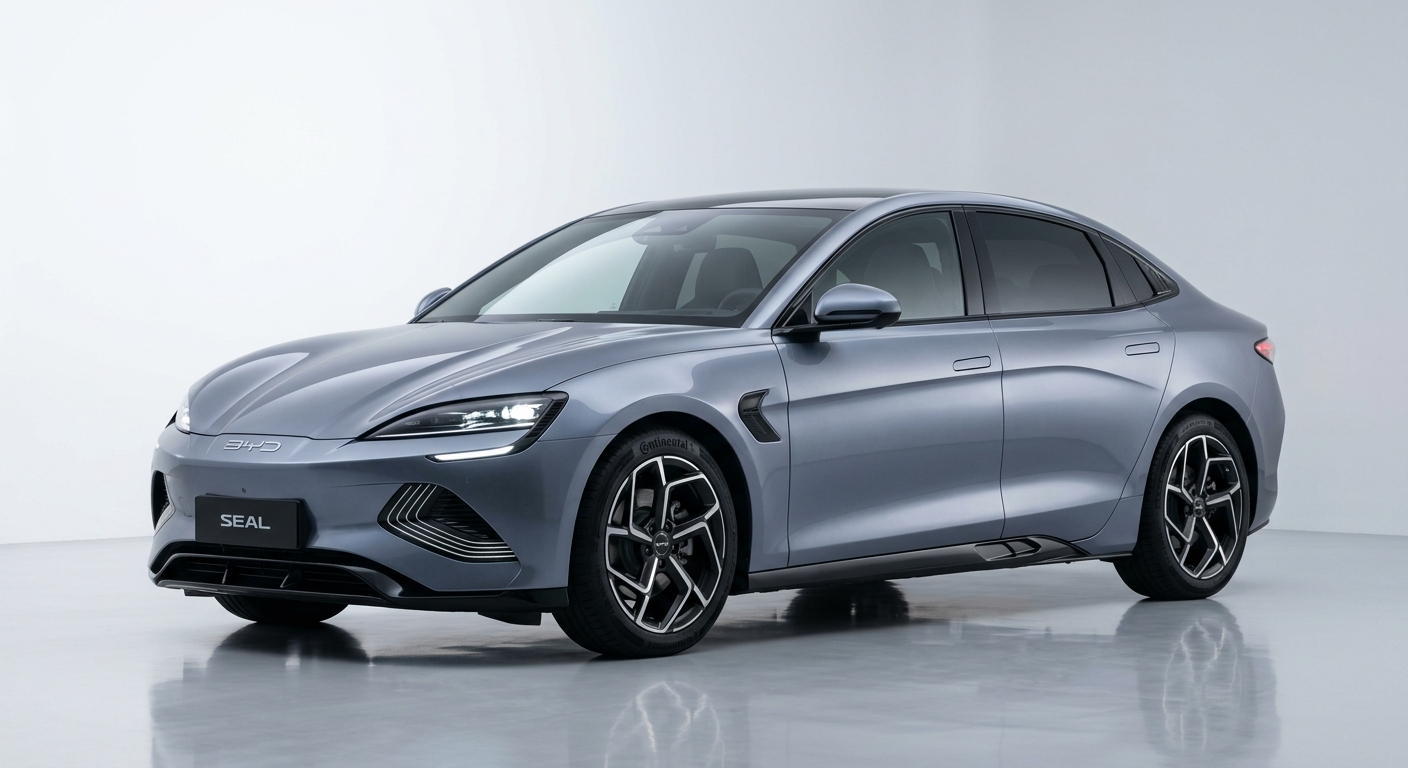
The electric vehicle revolution has a new protagonist, and it’s not coming from Silicon Valley or Stuttgart. BYD’s Seal represents China’s most serious attempt yet at creating a premium electric sedan that can go toe-to-toe with Tesla’s Model 3 while undercutting it on price. This isn’t just another budget EV trying to compete on cost alone.
Built on BYD’s advanced e-platform 3.0 architecture and powered by their revolutionary Blade Battery technology, the Seal promises to rewrite the rules of what we expect from an electric sedan in 2024.
Revolutionary Battery Technology
The heart of the BYD Seal is its Blade Battery, a lithium iron phosphate (LFP) cell design that BYD claims is both safer and more durable than traditional lithium-ion batteries. Unlike the cylindrical cells used by Tesla, BYD’s blade-shaped cells are integrated directly into the vehicle’s structure, eliminating the need for traditional battery modules and improving both safety and space efficiency.
This isn’t just marketing speak. The Blade Battery has passed the notorious nail penetration test without catching fire or exploding, something that traditional lithium-ion batteries consistently fail. In real-world terms, this translates to a battery pack that should last over a million miles with minimal degradation.
Performance That Surprises
Behind the wheel, the Seal feels more refined than you’d expect from a Chinese manufacturer. The dual-motor AWD variant we tested delivers 523 horsepower and 494 lb-ft of torque, launching the sedan from 0-60 mph in just 3.6 seconds. That’s faster than a BMW M3 and costs about half as much.
The power delivery is immediate and linear, as expected from an electric drivetrain, but BYD has tuned the throttle response to feel more natural than many EVs. There’s no artificial delay or overly aggressive regen braking that makes city driving jerky.
The suspension setup, featuring double wishbones up front and a multi-link rear, strikes an impressive balance between comfort and control. The ride quality over broken pavement is compliant without being wallowy, while highway stability inspires confidence even at triple-digit speeds.
Interior Excellence
Step inside and the Seal’s cabin immediately impresses with its attention to detail and material quality. The dashboard is dominated by a 15.6-inch rotating touchscreen that can switch between portrait and landscape modes, though the physical controls for climate and volume are thankfully retained.
The seats are supportive and well-bolstered, wrapped in premium Nappa leather that feels genuinely luxurious. Rear passenger space is generous, with adequate headroom despite the sloping roofline, and the panoramic glass roof creates an airy cabin atmosphere.
Build quality throughout feels solid and well-assembled, with tight panel gaps and consistent material finishes that rival German sedans costing twice as much.
Technology Integration
BYD’s DiLink 4.0 infotainment system runs on Android and supports both wireless Apple CarPlay and Android Auto. The interface is intuitive and responsive, though some menu structures take getting used to for Western users. The voice recognition system works well for basic commands but struggles with complex requests.
The Seal comes loaded with advanced driver assistance features, including adaptive cruise control, lane keeping assist, automatic emergency braking, and a 360-degree camera system. While not quite at the level of Tesla’s Autopilot, the systems work reliably in most situations.
The BYD Seal proves that Chinese automakers are no longer content to compete solely on price, they’re ready to challenge the establishment on every front. With its revolutionary battery technology, impressive performance credentials, and luxury appointments, the Seal represents a genuine threat to Tesla’s dominance in the premium EV sedan segment. The electric revolution just got a lot more interesting.