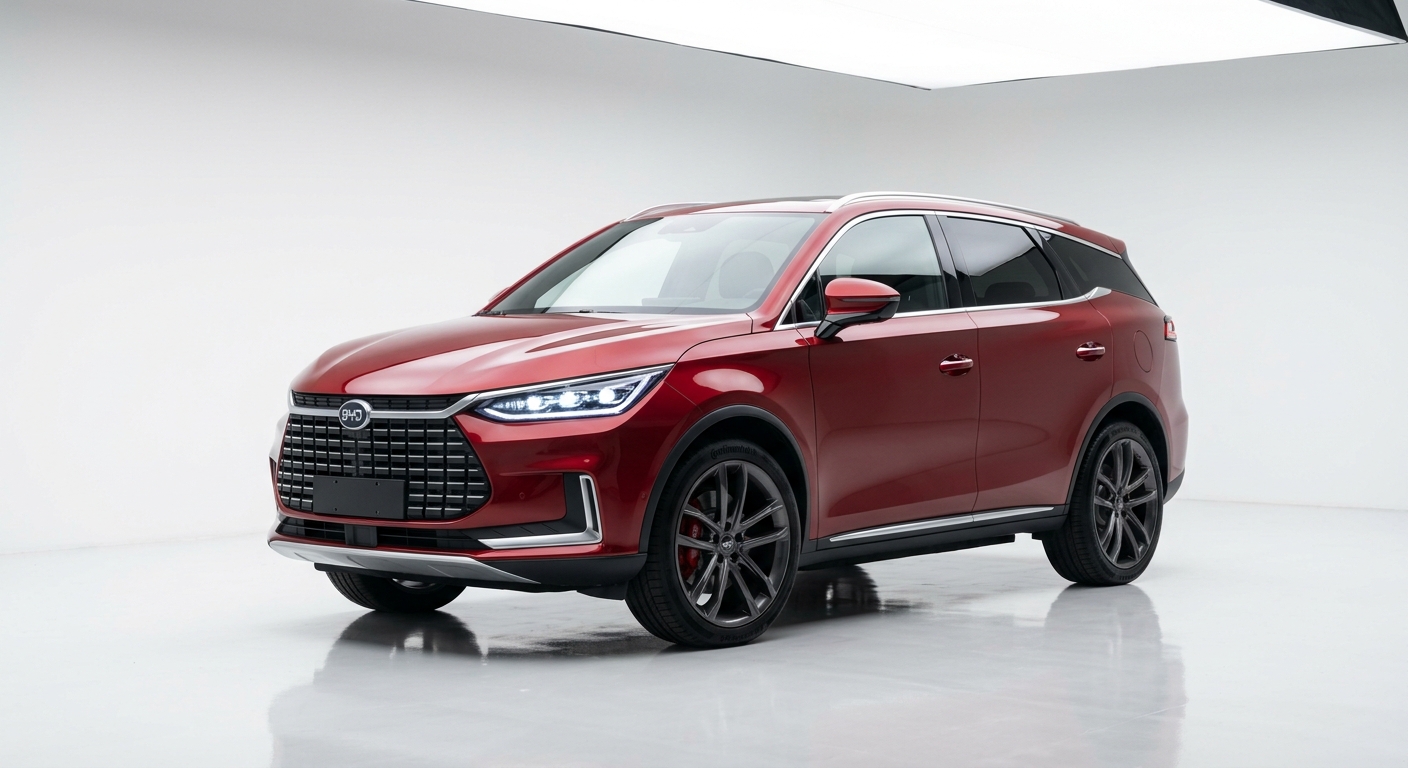
While Western automotive enthusiasts debated the merits of Tesla versus traditional luxury brands, a quiet revolution was brewing in Shenzhen. BYD, the Chinese battery giant turned automaker, unleashed the Tang EV in 2020, a seven-seat electric SUV that packed more than 500 horsepower and luxury appointments that would make German engineers take notice. Named after China’s Tang Dynasty, this electric dragon represents everything ambitious about China’s automotive future.
Electrifying Performance Meets Family Practicality
The Tang EV’s party trick lies beneath its muscular bodywork: a tri-motor all-wheel-drive system that generates 503 horsepower and 560 lb-ft of torque. This isn’t just impressive on paper; the Tang EV launches from 0-60 mph in just 4.4 seconds, making it quicker than many sports cars while hauling seven passengers and their luggage. The instant torque delivery is intoxicating, pinning occupants to their seats with the kind of acceleration that transforms school runs into adrenaline rushes.
What sets the Tang EV apart from its electric SUV competitors is how it manages this performance. The adaptive air suspension keeps the 5,500-pound SUV remarkably composed through corners, while the sophisticated torque vectoring system distributes power between all four wheels with millisecond precision. It’s not just fast in a straight line; it’s genuinely engaging to drive on winding roads.
Blade Battery Technology and Real-World Range
BYD’s secret weapon is its proprietary Blade Battery technology, a lithium iron phosphate chemistry that prioritizes safety and longevity over pure energy density. The 86.4 kWh pack delivers an EPA-estimated 285 miles of range, which proves adequate for most family duties. More importantly, the Blade Battery can charge from 10 to 80 percent in just 30 minutes when connected to a 150 kW DC fast charger.
The battery’s thermal management system is particularly impressive, maintaining optimal operating temperatures even during aggressive driving or rapid charging sessions. In real-world testing, the Tang EV consistently delivered around 260 miles of mixed driving, with highway speeds slightly reducing efficiency due to the SUV’s substantial curb weight and upright stance.
Interior Luxury Meets Technology Integration
Step inside the Tang EV, and you’re greeted by an interior that rivals established luxury brands. The cabin features premium Nappa leather throughout, with heated and ventilated seats in the first two rows. The massive 15.6-inch rotating touchscreen dominates the dashboard, running BYD’s DiLink 3.0 infotainment system with wireless smartphone integration and over-the-air updates.
The seven-seat configuration is genuinely usable, with the second-row captain’s chairs offering impressive legroom and the third row suitable for children or shorter adults. Storage space is abundant, with clever cubbies throughout the cabin and a substantial cargo area behind the third row. The panoramic sunroof adds an airy feel to the cabin, while the premium sound system delivers concert-hall acoustics.
Build Quality and Market Position
Perhaps most surprising is the Tang EV’s build quality, which exceeds expectations for a Chinese-market vehicle. Panel gaps are consistent, materials feel substantial, and the overall fit and finish rivals established luxury brands. BYD’s experience manufacturing batteries for other automakers shows in the Tang EV’s electrical architecture, which operates flawlessly without the software glitches that plague some competitors.
The Tang EV’s pricing strategy is aggressive, undercutting comparable electric SUVs by significant margins while offering similar or superior performance and features. This value proposition has made it a bestseller in China’s rapidly expanding EV market, though limited availability outside China means most Western buyers haven’t experienced BYD’s engineering prowess firsthand.
The BYD Tang EV represents a seismic shift in the global automotive landscape, proving that Chinese manufacturers can build world-class electric vehicles that rival established luxury brands. Its combination of explosive performance, practical family utility, and aggressive pricing makes it a compelling alternative to more expensive European and American EVs. While availability outside China remains limited, the Tang EV serves as a preview of the electric future that’s rapidly approaching our shores.