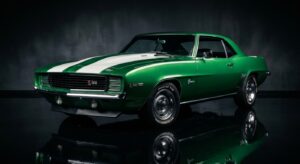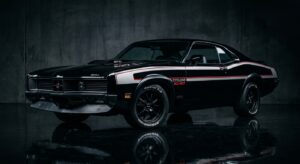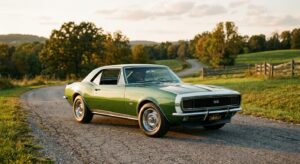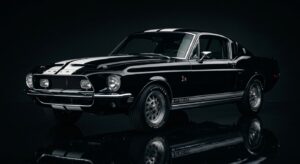
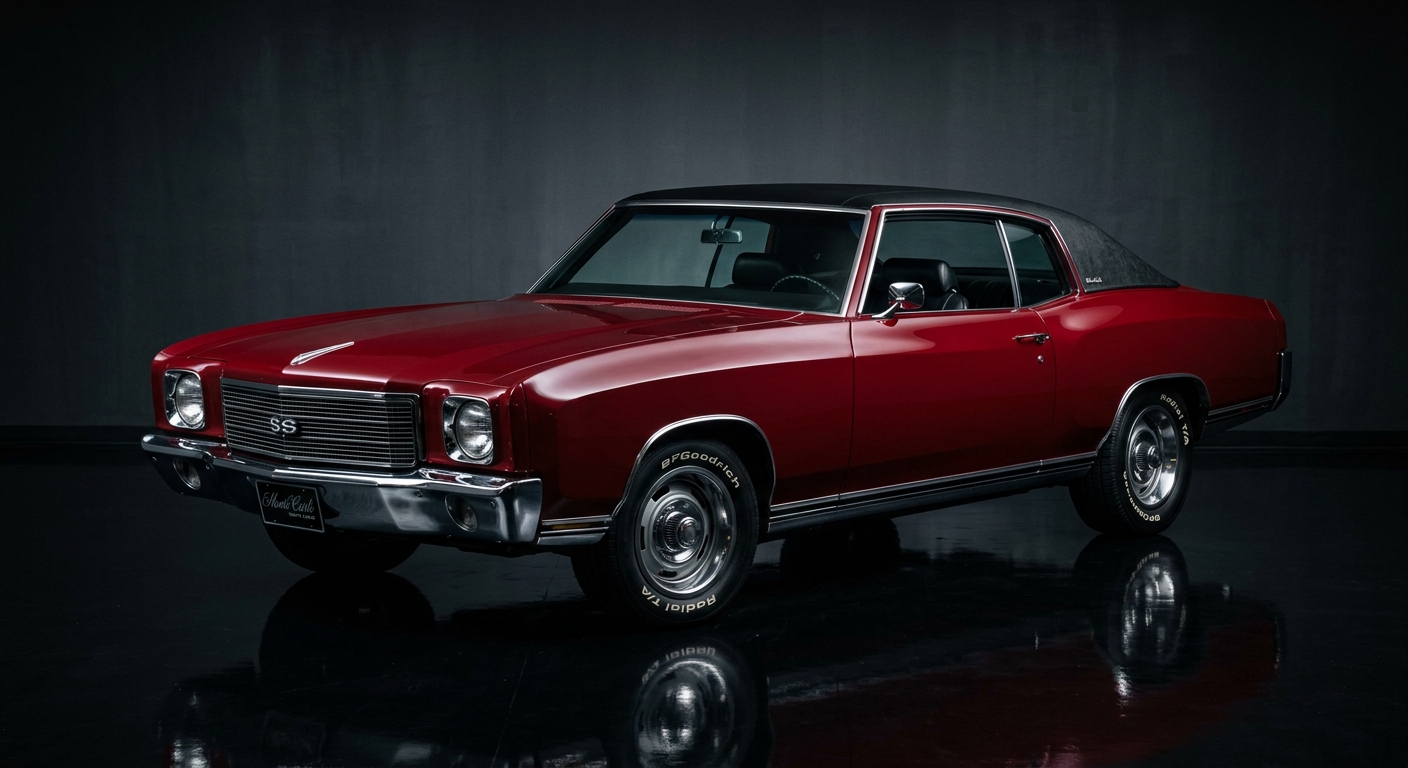
When Chevrolet introduced the Monte Carlo in 1970, it represented something new in the muscle car landscape: a gentleman’s hot rod. While its contemporaries focused purely on straight-line brutality, the Monte Carlo SS 454 wrapped big-block fury in an elegantly appointed package that wouldn’t look out of place at the country club. The 1971 model year would mark both the peak and swan song of this sophisticated approach to American muscle.
The Last Hurrah
The 1971 Monte Carlo SS 454 arrived at a pivotal moment in automotive history. Stricter emissions regulations and rising insurance costs were beginning to strangle the muscle car era, making this one of the final opportunities to experience unfiltered big-block performance. Chevrolet knew the writing was on the wall, and they made the most of it.
Under the Monte Carlo’s distinctively long hood resided the legendary LS5 454 cubic inch V8, producing a factory-rated 365 horsepower and 465 lb-ft of torque. These numbers were conservative, as GM was already feeling pressure from insurance companies and regulators. In reality, the LS5 likely produced closer to 400 horsepower, enough to propel the 3,700-pound Monte Carlo from 0-60 mph in just 6.1 seconds.
Sophisticated Brutality
What set the Monte Carlo SS apart from other muscle cars was its approach to luxury. While a Chevelle SS or Camaro Z/28 made no pretense about their intentions, the Monte Carlo offered genuine comfort and refinement. The interior featured deep bucket seats, simulated wood grain trim, and a full complement of gauges. The ride quality was surprisingly compliant for a performance car, thanks to its longer wheelbase and sophisticated suspension tuning.
The driving experience was intoxicating. The 454’s torque delivery was immediate and relentless, providing effortless acceleration that belied the car’s civilized demeanor. The exhaust note was deep and purposeful, but never crude. This was muscle car performance for adults, a machine equally capable of laying rubber at a stoplight or cruising comfortably on a cross-country trip.
Design Excellence
Styling-wise, the 1971 Monte Carlo struck the perfect balance between elegance and aggression. The long hood and short deck proportions conveyed power, while details like the prominent grille, hidden headlights, and available vinyl roof added sophistication. The SS package included distinctive badging, rally wheels, and subtle hood striping that announced the car’s capabilities without shouting about them.
Inside, the Monte Carlo felt more like a personal luxury coupe than a traditional muscle car. The dashboard was thoughtfully laid out, materials were high quality for the era, and options like air conditioning and power accessories were readily available. This was Detroit’s vision of the European grand tourer, adapted for American tastes and powered by American iron.
The End of an Era
Production of the 1971 Monte Carlo SS 454 was limited, with only 1,919 units built. This scarcity was partly due to the model’s high price but mostly reflected the changing automotive landscape. By 1972, compression ratios would drop dramatically, power outputs would plummet, and the golden age of American muscle would effectively end.
Today, the 1971 Monte Carlo SS 454 represents a fascinating footnote in muscle car history. It proved that performance and refinement weren’t mutually exclusive, offering a more mature take on the American muscle car formula that sadly wouldn’t survive the decade.
The 1971 Monte Carlo SS 454 represents the pinnacle of sophisticated American muscle, a car that proved performance and refinement could coexist beautifully. With only 1,919 examples built, it remains one of the most exclusive and desirable muscle cars of the era. This is muscle car royalty that knew how to dress for dinner.