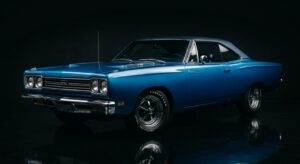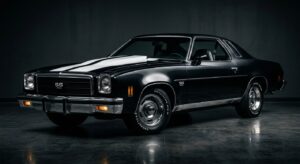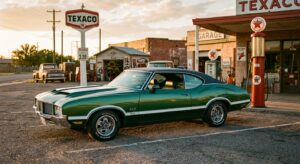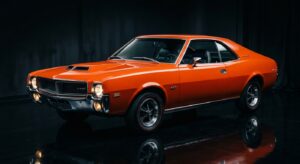
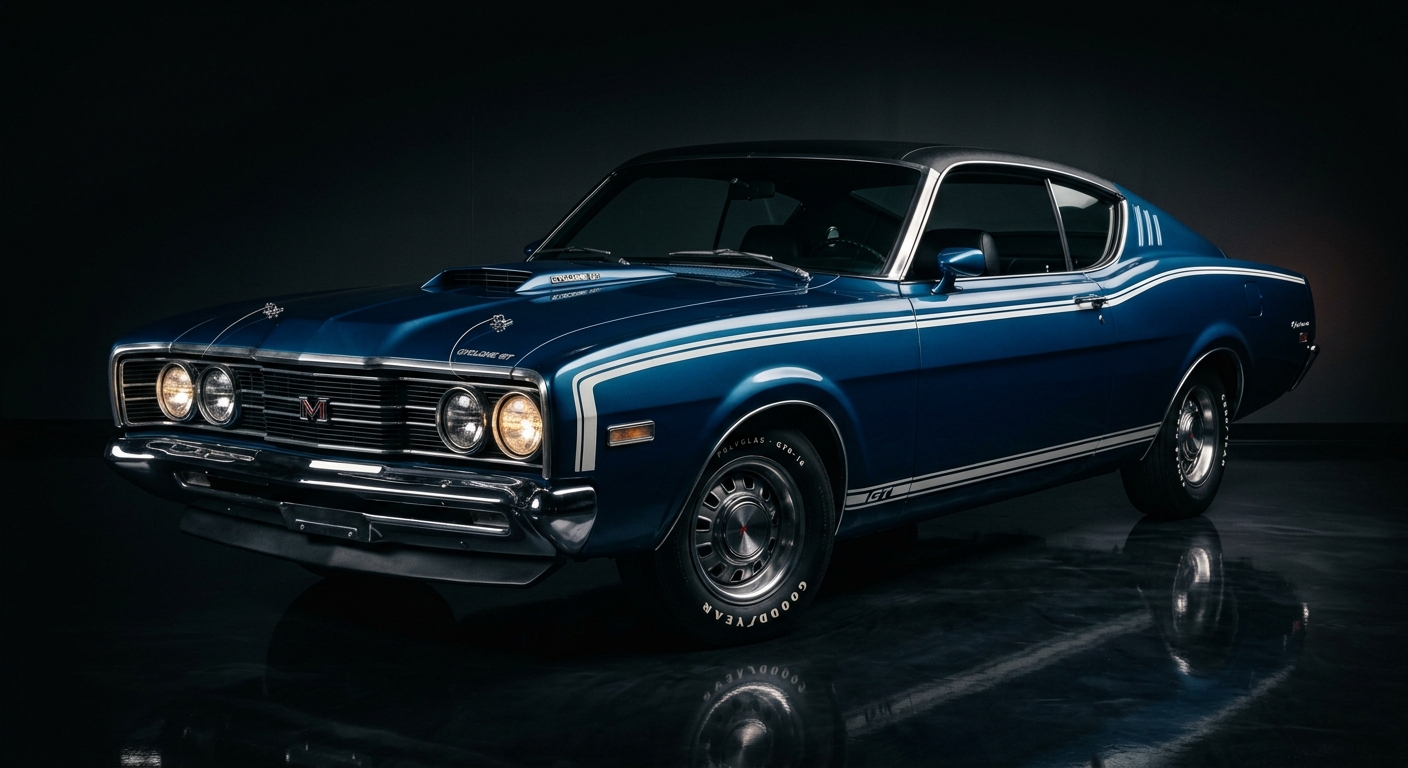
While most enthusiasts obsess over the Mustang and Camaro, Mercury’s Cyclone GT was quietly building a reputation as one of the most underrated muscle cars of 1968. Built on the same intermediate platform as the successful Fairlane, the Cyclone offered buyers a more upmarket alternative with serious performance credentials and distinctive styling that set it apart from the crowd.
The Gentleman’s Muscle Car
Mercury positioned the Cyclone GT as a more refined muscle car, targeting buyers who wanted performance without sacrificing comfort or style. The fastback roofline gave it an aggressive profile, while the distinctive grille and Mercury badging provided visual separation from its Ford cousins. Under the hood, the standard 390 cubic inch V8 delivered 335 horsepower, making it a serious contender in the intermediate muscle car wars.
The 390 V8 was a torque monster, producing 427 lb-ft at just 2,800 rpm. This meant effortless acceleration and impressive street performance, with quarter-mile times hovering around 14 seconds flat. The engine’s broad powerband made it particularly well-suited to street driving, delivering strong pull from virtually any rpm.
Driving the Cyclone
Behind the wheel, the Cyclone GT strikes a balance between performance and comfort that was characteristic of Mercury’s approach. The steering is heavy but precise, and the suspension provides a firm but controlled ride that doesn’t punish passengers. The 390’s soundtrack is deep and authoritative, with a rumble that builds to a roar under full acceleration.
The four-speed manual transmission shifts with mechanical precision, though the clutch requires a firm foot. In traffic, the Cyclone is surprisingly docile, with enough low-end torque to pull cleanly from idle in higher gears. The brakes, while adequate for the era, remind you that this car was built when stopping power hadn’t caught up to acceleration capability.
Market Position and Legacy
The Cyclone GT faced stiff competition from the Chevelle SS, GTO, and 4-4-2, but Mercury’s intermediate muscle car held its own with distinctive styling and solid performance. Production numbers were modest compared to its more famous rivals, which makes surviving examples relatively rare today.
The 1968 model year was significant for the Cyclone, as it received updated styling that would carry through to the legendary Cyclone Spoiler models of 1969-1970. The GT package included performance suspension, wide-oval tires, and distinctive badging that announced its intentions without being overly aggressive.
The 1968 Mercury Cyclone GT remains one of the muscle car era’s best-kept secrets, offering distinctive style and solid performance at a fraction of what you’d pay for comparable GTO or Chevelle SS examples. With its torquey 390 V8 and upmarket Mercury refinement, it’s the gentleman’s choice in vintage American muscle.