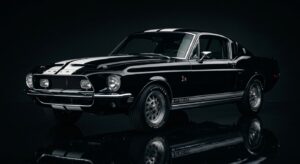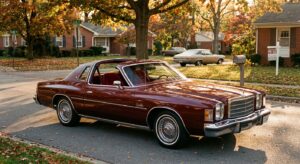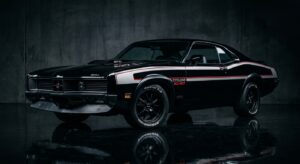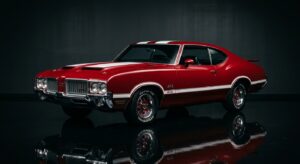
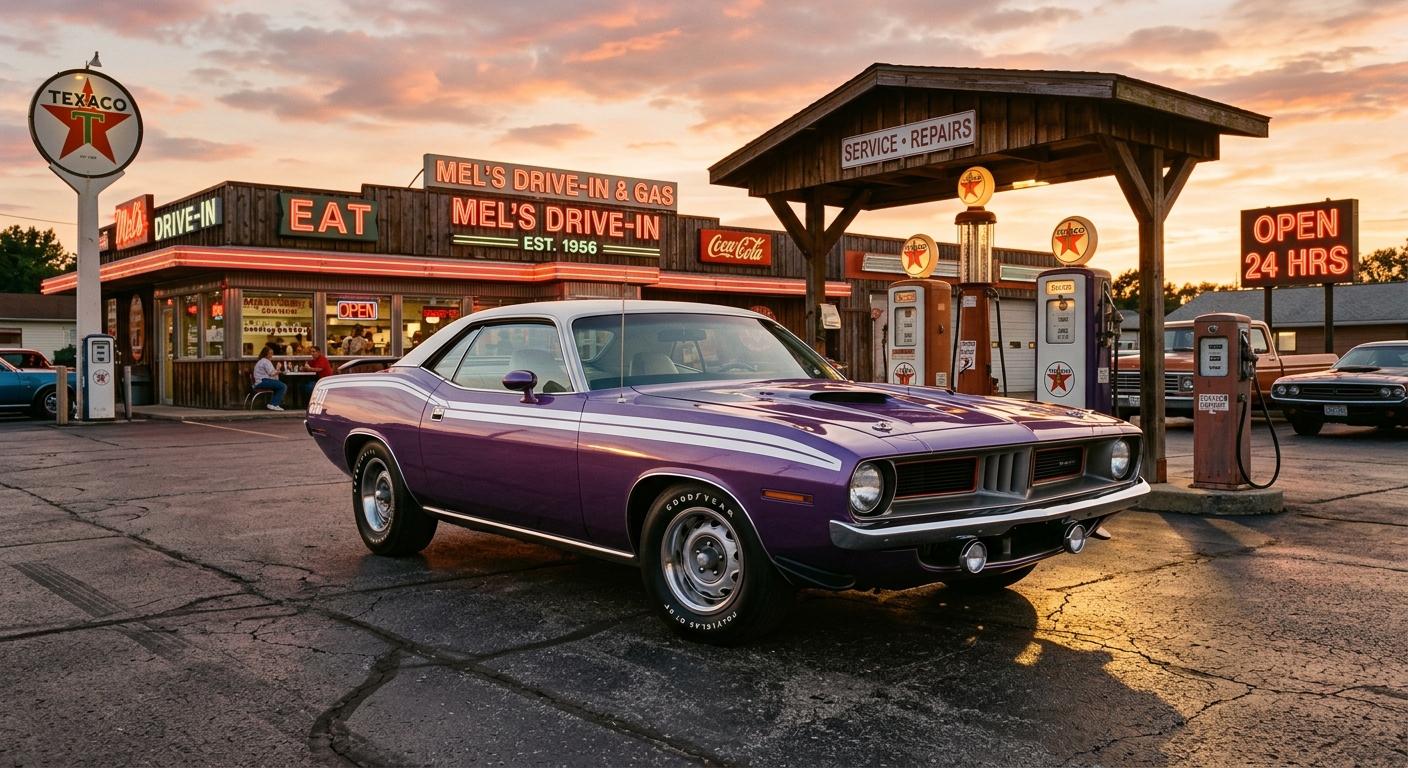
By 1973, the muscle car party was effectively over, and Plymouth’s Barracuda was among the walking wounded. What began in 1964 as Plymouth’s answer to the Ford Mustang had evolved into a legitimate E-body muscle machine by 1970, but just three years later, it was gasping for air in the strangling grip of emissions regulations and insurance company reality checks. The 1973 Barracuda represents one of the most dramatic performance drops in automotive history, transforming from a fire-breathing predator into something more like a decorative goldfish.
The Regulatory Stranglehold
The Clean Air Act amendments of 1970 created a regulatory tsunami that would fundamentally reshape American performance cars. By 1973, automakers were scrambling to meet increasingly strict emissions standards while maintaining some semblance of the performance that had defined the previous decade. For Plymouth, this meant castrating their beloved small-block and big-block V8s with restrictive air pumps, catalytic converters, and dramatically reduced compression ratios.
The 1973 Barracuda lineup was a shadow of its former self. Gone were the legendary 440 Six Pack and 426 Hemi engines that had made the E-body ‘Cuda a genuine supercar just three years earlier. In their place sat a collection of wheezing V8s that produced power figures that would have been embarrassing even for economy cars of the era.
What Remained Under the Hood
The base engine was Plymouth’s 318 cubic inch V8, producing a modest 150 horsepower, a far cry from the muscle car engines that had dominated the previous decade. Those seeking more performance could opt for the 340 small-block, which managed 240 horsepower, or the 360 V8 that topped out at 245 horses. The big-block 440, once available with multiple carburetor setups and wild cam profiles, was neutered down to 280 horsepower in its mildest state of tune.
These power figures represented drops of 30-50% compared to similar engines from just a few years earlier. The combination of lower compression ratios, restrictive exhaust systems, and emissions equipment created engines that felt lethargic compared to their predecessors. Where a 1970 ‘Cuda could genuinely frighten inexperienced drivers, the 1973 model was docile enough for a grandmother.
The Driving Experience
Behind the wheel, the 1973 Barracuda feels like a muscle car with a severe case of depression. The distinctive E-body proportions are still there, with that long hood and aggressive stance suggesting performance that simply isn’t delivered. The steering is heavy and vague by modern standards, the brakes require significant effort to achieve meaningful deceleration, and the suspension setup prioritizes comfort over any pretense of handling prowess.
The 340-equipped cars still manage to provide some entertainment, delivering adequate acceleration for highway merging and the occasional traffic light encounter. The exhaust note, while muffled by emissions equipment, still carries hints of the aggressive rumble that once defined American muscle. However, compared to the tire-shredding monsters that wore the same badge just a few years earlier, the 1973 Barracuda feels almost apologetic about its existence.
Design and Interior: Holding the Line
While the powertrains suffered dramatic emasculation, Plymouth’s designers managed to maintain much of the Barracuda’s visual appeal. The distinctive front grille treatment, aggressive hood lines, and muscular rear fender flares continued to suggest performance even when the mechanical reality fell short. The 1973 model year brought minor cosmetic updates, including revised bumper regulations that slightly altered the front end appearance.
Inside, the Barracuda maintained its driver-focused cockpit layout with optional rally gauges and high-back bucket seats. The build quality reflected Chrysler’s improving manufacturing standards of the early 1970s, though it still fell short of what buyers expected from German or Japanese competitors. Materials were utilitarian rather than luxurious, befitting the car’s positioning as an affordable performance machine.
Market Reality and the End
Sales figures tell the brutal truth about the 1973 Barracuda’s market reception. Plymouth managed to move just over 51,000 units that year, a dramatic decline from the model’s peak years. Insurance companies had begun treating muscle cars as pariahs, charging young buyers premiums that often exceeded the car’s monthly payment. The combination of regulatory pressure, insurance costs, and changing consumer preferences created a perfect storm that would doom the Barracuda after the 1974 model year.
The 1973 model year represented the penultimate chapter in the original Barracuda’s story, and buyers seemed to sense that the end was near. Those who purchased 1973 Barracudas often did so more for the styling and image than for genuine performance capabilities, understanding that the golden age of affordable American muscle was rapidly drawing to a close.
The 1973 Plymouth Barracuda serves as a poignant reminder of how quickly the automotive landscape can change, transforming from predator to prey in just a few short years. While it lacks the raw fury of its immediate predecessors, it remains historically significant as one of the last traditional muscle cars before the dark ages of the mid-1970s truly set in. For collectors today, it represents an affordable entry point into E-body ownership with the promise of future appreciation as the final chapter of an American automotive icon.