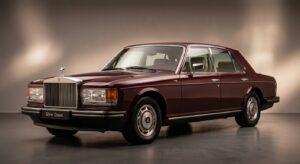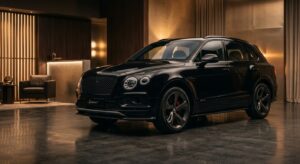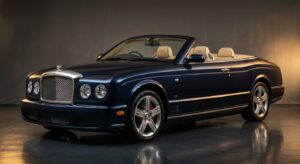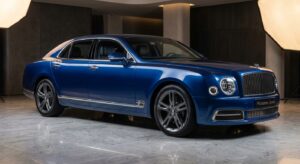
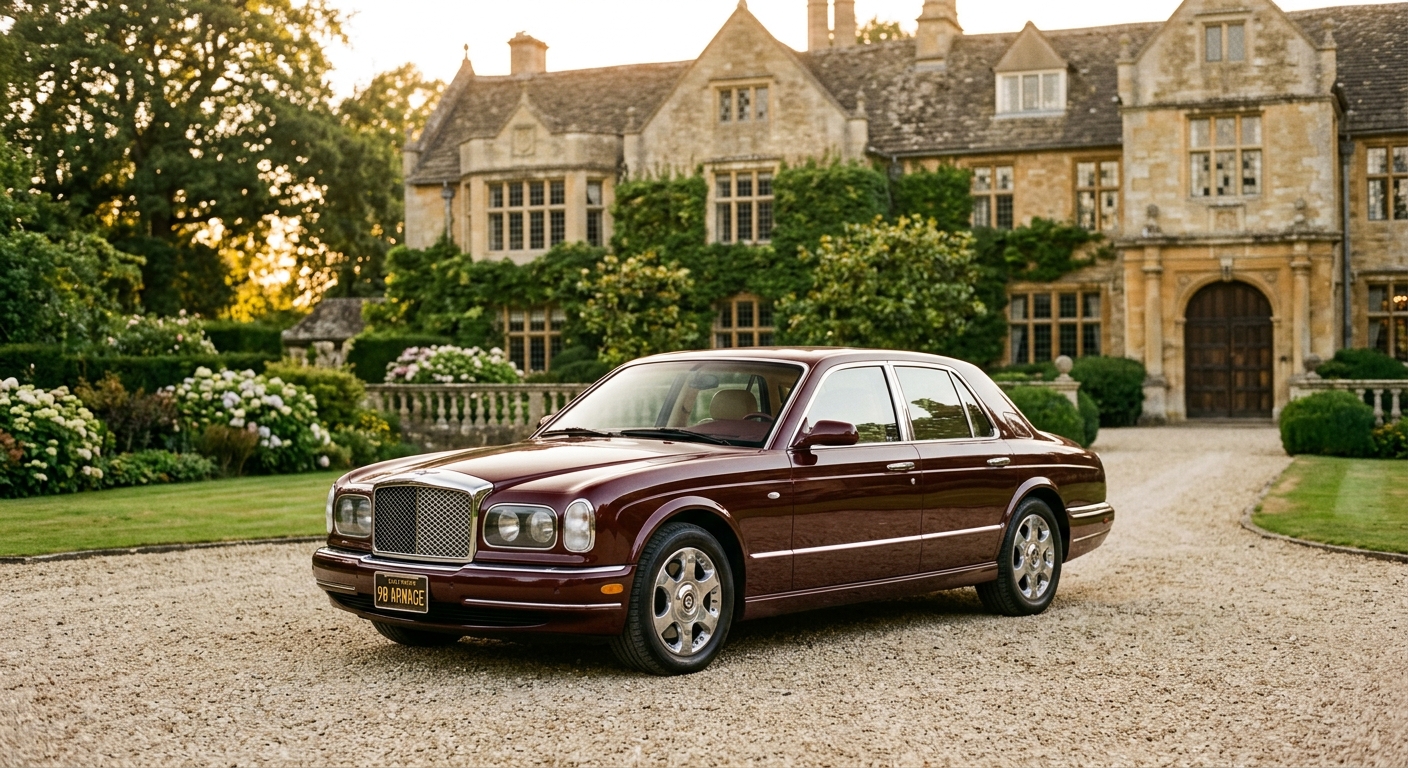
In 1998, Bentley stood at a crossroads. The venerable British marque was about to change hands from Rolls-Royce to BMW, and the Arnage represented the last gasp of truly independent Bentley engineering. This wasn’t just another luxury sedan; it was a statement of intent from a company determined to prove that traditional British craftsmanship could still compete in the modern world.
A Return to Bentley’s Roots
The original Arnage marked Bentley’s return to its sporting heritage after decades of badge-engineered Rolls-Royce models. Unlike its predecessor, the Turbo R, which shared much with Rolls-Royce, the Arnage was designed from the ground up to be distinctly Bentley. The result was a car that felt more focused, more purposeful, and undeniably more exciting to drive.
At the heart of the Arnage sat a 4.4-liter BMW-sourced V8 engine, producing a respectable 354 horsepower. While some purists grumbled about the German powerplant, the reality was that this engine provided the Arnage with a smoothness and reliability that Bentley’s aging 6.75-liter V8 simply couldn’t match. The BMW unit revved more freely and delivered its power with a refinement that perfectly matched the car’s luxurious character.
Handcrafted Excellence
Step inside the Arnage, and you’re immediately transported to a world where time seems to move at a different pace. Every surface is covered in the finest materials: hand-stitched Connolly leather, burled walnut veneer, and thick Wilton carpets. The seats are individual works of art, requiring over 20 hours each to complete by skilled craftsmen at Bentley’s Crewe factory.
The attention to detail is extraordinary. Each wood panel is individually matched and book-matched across the dashboard, creating flowing grain patterns that are unique to each car. The chrome-plated organ-stop ventilation controls operate with the precision of fine Swiss timepieces, and the traditional analog gauges feature engine-turned bezels that catch the light beautifully.
On the Road
Behind the wheel, the Arnage reveals its dual personality. In town, it glides with the serene majesty of a luxury liner, the air suspension soaking up imperfections with effortless composure. The steering is light and precise, making this substantial sedan surprisingly easy to maneuver through urban environments.
But press the accelerator firmly, and the Arnage transforms. The BMW V8 comes alive with a cultured growl, and the car surges forward with surprising urgency for something weighing over 5,000 pounds. The ZF automatic transmission shifts seamlessly, always finding the right gear to maximize either performance or refinement depending on your driving style.
The ride quality is simply magnificent. The adaptive damping system continuously adjusts to road conditions, providing a magic carpet ride that isolates occupants from the harsh realities of broken pavement. Yet when the road turns twisty, the Arnage doesn’t wallow like many luxury sedans of the era. There’s a surprising amount of composure and control, a reminder of Bentley’s racing heritage.
Historical Significance
The 1998 Arnage represents more than just another luxury car; it’s a pivotal moment in automotive history. This was Bentley’s declaration of independence, proof that the company could create something truly special without relying entirely on its Rolls-Royce sibling. The Arnage’s more aggressive styling, with its bold mesh grille and muscular proportions, signaled a new direction for the brand.
Production was limited, with each car requiring over 200 hours of hand assembly. The result was a vehicle that felt genuinely bespoke, a rolling testament to British craftsmanship in an age of increasing mass production. Today, these early Arnages are increasingly recognized as the last of their kind: genuine coach-built luxury cars created without compromise.
The 1998 Bentley Arnage stands as a magnificent swan song to an era of uncompromising luxury, when cars were built by craftsmen rather than robots. While it may not have the outright performance of modern luxury sedans, its combination of handcrafted excellence and old-world character makes it a compelling choice for those who value tradition over technology. This is automotive artistry in its purest form.