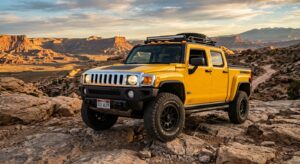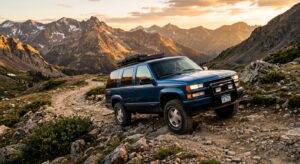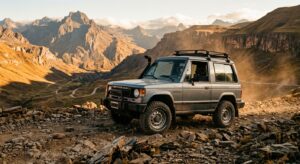
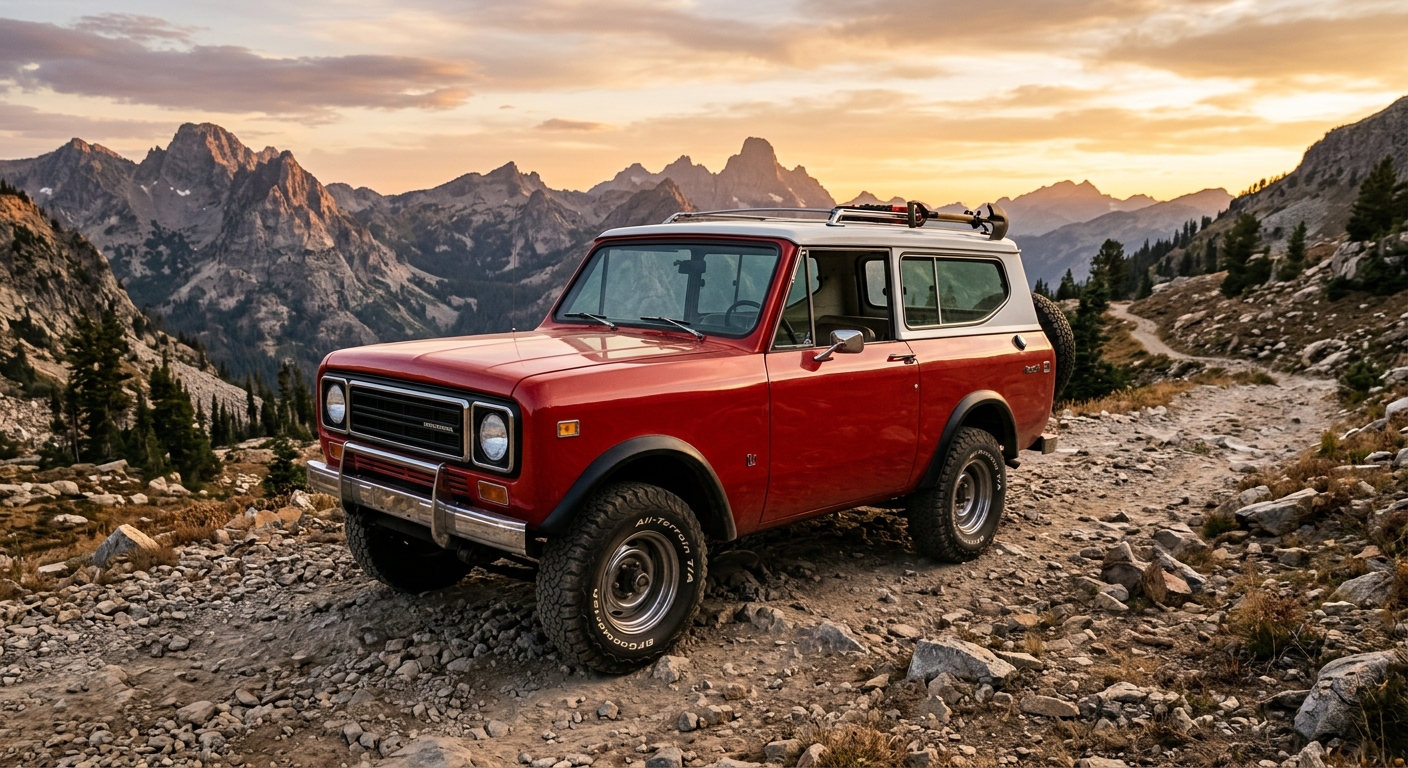
Long before the Jeep Wrangler became synonymous with weekend adventures and decades before luxury SUVs conquered suburban driveways, International Harvester built trucks that could go anywhere and haul anything. The 1976 Scout II represented the peak of this philosophy: a no-nonsense, go-anywhere machine that prioritized capability over comfort and function over form.
In an era when most Americans drove cars that couldn’t handle a gravel driveway, the Scout II was already conquering mountain passes and desert trails. This wasn’t just transportation; it was freedom in steel and rubber, wrapped in a package that could tackle any terrain you dared to explore.
Built for Business, Not Beauty
The Scout II made no apologies for its utilitarian appearance. With its boxy lines, vertical windshield, and purposeful stance, it looked exactly like what it was: a truck designed to work. The removable top sections offered open-air driving decades before convertible SUVs became fashionable, while the fold-down windshield provided maximum visibility when navigating tight trails.
Inside, the Scout II’s cabin was refreshingly honest. Simple controls, durable materials, and a layout that prioritized function over flash. The seats were built to last, not coddle, and every surface was designed to withstand mud, dust, and whatever else outdoor adventures might bring. This was automotive minimalism at its finest: everything you needed, nothing you didn’t.
Heart of a Workhorse
Under the hood, International offered several engine options, but the 345-cubic-inch V8 was the sweet spot for most buyers. Producing around 197 horsepower, it wasn’t about peak power figures but rather about delivering consistent, reliable performance whether you were climbing steep grades or towing a boat to the lake. The engine’s torquey character made it ideal for low-speed off-road work, where grunt mattered more than top-end power.
The available four-wheel-drive system was robust and straightforward, using a manual transfer case that put power to all four wheels when conditions demanded it. No electronic wizardry, no computer intervention, just mechanical reliability that worked whether you were crossing a stream or navigating a snowy mountain pass.
Trail-Ready Engineering
What set the Scout II apart from its contemporaries was its genuine off-road capability. High ground clearance, short overhangs, and robust construction meant it could tackle obstacles that would stop other vehicles. The solid front and rear axles provided durability and articulation that independent suspension systems of the era simply couldn’t match.
The Scout’s approach and departure angles were optimized for serious off-road work, not just the appearance of capability. This was a vehicle that could climb rock faces, ford streams, and navigate tight forest trails with confidence. The optional winch and auxiliary lighting packages showed that International understood their customers were serious about exploration.
A Different Philosophy
Driving a Scout II in 1976 was a completely different experience from piloting a typical car of the era. The high seating position provided commanding visibility, while the truck’s honest feedback kept you connected to the terrain beneath. There was no power steering isolation or suspension cushioning here; you felt every bump, every surface change, every shift in traction.
This directness extended to every aspect of the driving experience. The steering required effort but provided precise control over rough terrain. The manual transmission demanded attention but rewarded skilled operation. Even the simple heater and basic radio reminded you that this vehicle’s priorities lay elsewhere.
On the highway, the Scout II was competent but not refined. Wind noise from the removable top sections and road noise from the aggressive tires reminded passengers that this was a tool first, a comfortable cruiser second. Yet this honesty was part of its charm: the Scout never pretended to be something it wasn’t.
The 1976 International Scout II represents something increasingly rare in today’s automotive landscape: honest capability without compromise. While modern SUVs prioritize comfort and efficiency, the Scout II reminds us that sometimes the best way forward is the most direct path. For enthusiasts seeking authentic off-road adventure, few classics deliver more genuine capability per dollar.