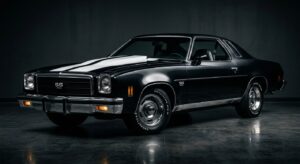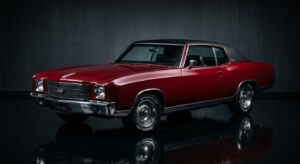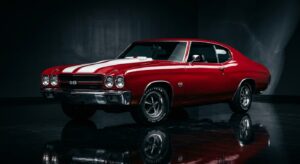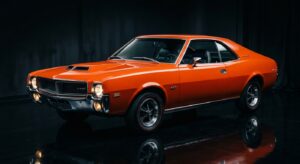
While Chevelle SS’s and Road Runners grabbed headlines with their street brawling antics, Buick took a different approach to the muscle car wars. The 1970 GSX represented something unique in the testosterone-fueled landscape: a gentleman’s muscle car that could run with the best while coddling its occupants in luxury that rivals couldn’t match.
This wasn’t Buick’s first rodeo in the performance arena, but the GSX was their most serious statement yet. Built on the solid foundation of the Gran Sport, the GSX package added visual drama and track-tuned suspension to create what many consider the most underrated muscle car of the era.
The Heart of Darkness
At the core of the GSX experience lies the legendary 455 cubic inch Stage 1 V8, an engine that rewrote the rules of what a luxury brand could produce. While GM’s other divisions played the cubic inch game, Buick focused on engineering excellence. The Stage 1 wasn’t just big, it was smart. With a conservative 360 horsepower rating that fooled insurance companies and impressed dyno operators in equal measure, this engine produced real-world power numbers that embarrassed many supposed performance kings.
The Stage 1’s secret weapon was torque, mountains of it. With 510 lb-ft available at just 2,800 rpm, the GSX could launch from a standstill with authority that left competitors scrambling. The engine’s sophisticated breathing, courtesy of larger valves, revised cam timing, and improved exhaust, created a powerplant that was as happy cruising the interstate as it was burning rubber at the drag strip.
More Than Muscle
What separated the GSX from its contemporaries wasn’t just the engine, but the complete package. While other muscle cars focused purely on straight-line performance, Buick engineers understood that true performance required balance. The GSX received a specially tuned suspension with stiffer springs and shocks, along with a rear stabilizer bar that transformed the handling characteristics.
The interior showcased Buick’s luxury heritage with bucket seats that actually provided support during spirited driving, comprehensive instrumentation that included a tachometer and temperature gauge, and build quality that put most performance cars to shame. Air conditioning, power steering, and power brakes came standard, amenities that were often expensive options on other muscle cars.
Visual Impact
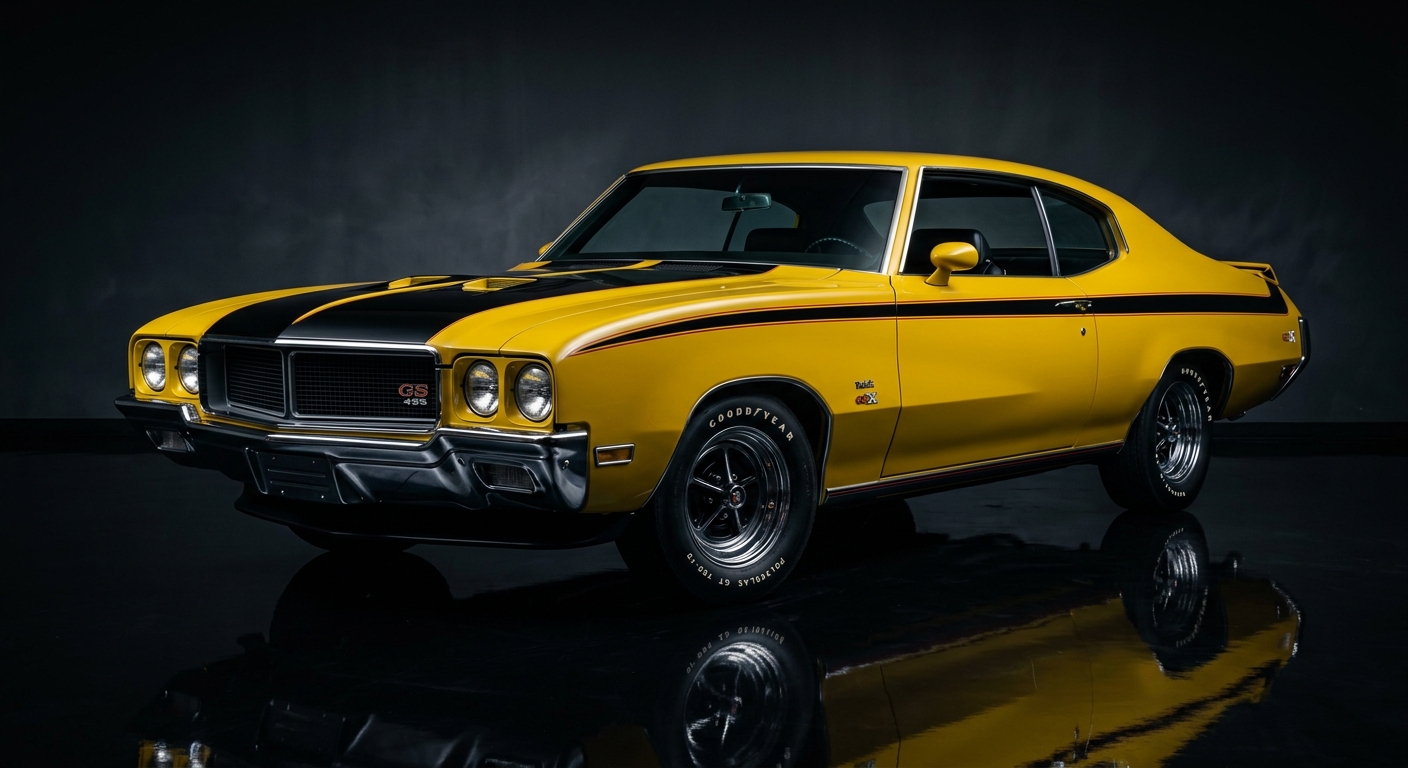
Buick didn’t hold back when it came to making the GSX visually distinctive. Available only in Apollo White or Saturn Yellow, both with bold black accent stripes, the GSX announced its presence without subtlety. The functional hood scoops, rear spoiler, and special wheels created an aggressive appearance that matched the car’s performance capabilities.
The GSX package transformed the already handsome Gran Sport into something that looked ready for battle. Every visual element served a purpose, from the cold-air induction hood to the rear spoiler that actually provided high-speed stability. This wasn’t just styling for styling’s sake, it was form following function in the best Detroit tradition.
The Road Less Traveled
Behind the wheel, the GSX reveals its dual personality immediately. Around town, it’s a refined cruiser with smooth power delivery and comfortable accommodations. The steering is light, the ride quality superior to most muscle cars, and the noise levels civilized. It’s only when you press deeper into the throttle that the beast awakens.
At wide-open throttle, the GSX becomes a different animal entirely. The Stage 1 engine produces a deep, authoritative roar that builds to a crescendo as the tachometer sweeps toward redline. The TH400 automatic transmission shifts with authority, each gear change accompanied by a satisfying bark from the dual exhausts. This isn’t the frantic, high-strung character of smaller displacement engines, but the effortless power delivery that only comes from serious cubic inches.
The 1970 Buick GSX remains one of the most compelling arguments for sophistication in the muscle car era. While others shouted their credentials, the GSX whispered them with understated elegance that made it all the more devastating when the right foot found the floor. It’s a reminder that sometimes the most memorable performances come from the most unexpected sources.