Full Spec Motors

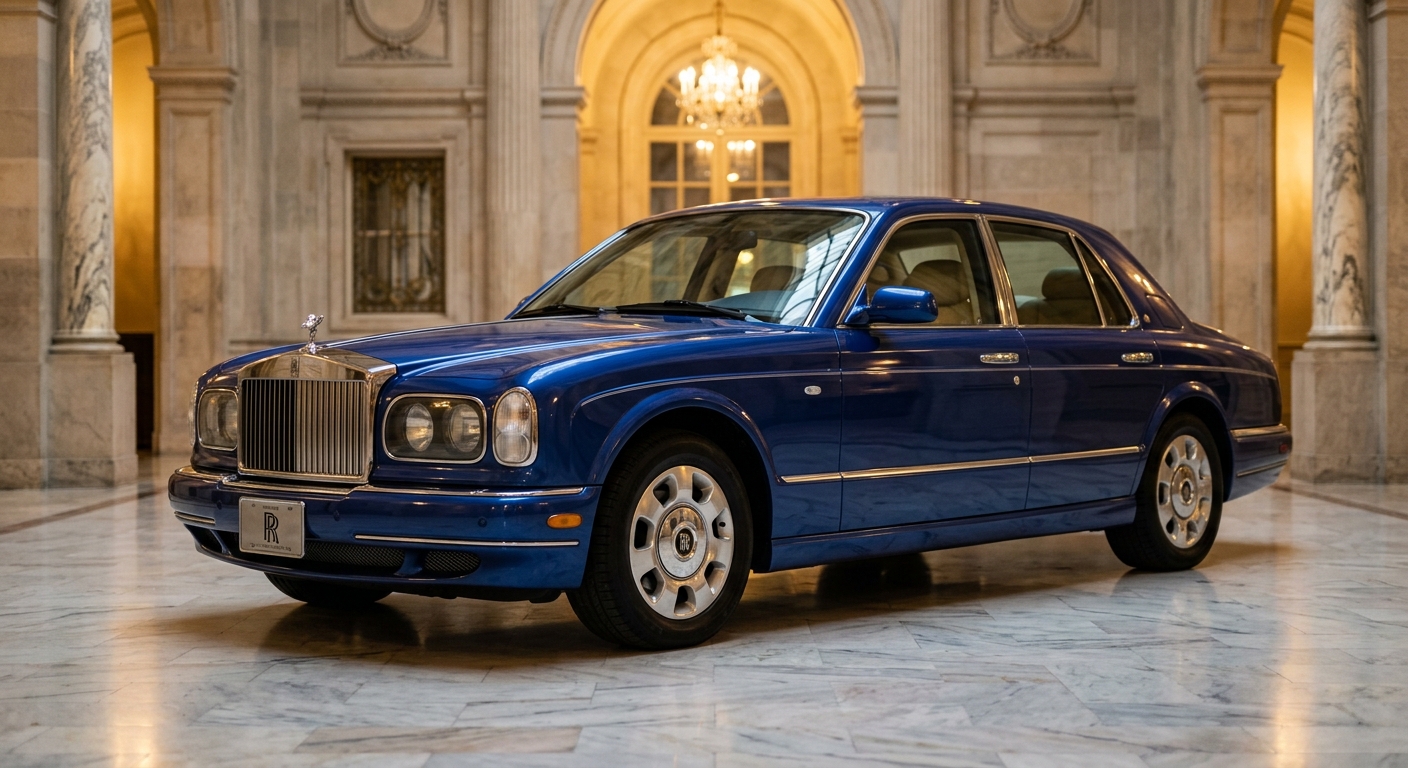
The Last of Its Kind, 1999 Rolls-Royce Silver Seraph

2 min read

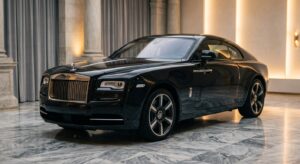
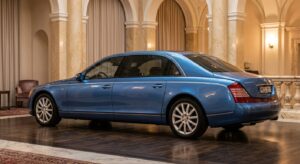
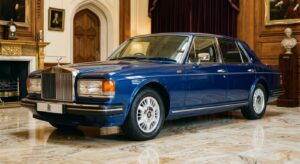
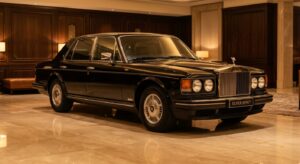
In 1999, the automotive world witnessed the end of an era. The Silver Seraph represented the final chapter of traditional Rolls-Royce ownership before BMW took control of the Flying Lady marque. Built in the storied Crewe factory where craftsmanship had been perfected over decades, this wasn’t just another luxury sedan but a farewell letter to British automotive independence.

The BMW Connection

Perhaps the most controversial aspect of the Silver Seraph was what lay beneath its imposing bonnet. Gone was the traditional Rolls-Royce V8, replaced by BMW’s silky-smooth 5.4-liter V12 engine. Purists cried foul, but the Bavarian powerplant delivered 322 horsepower and 361 lb-ft of torque with a refinement that even impressed the Crewe craftsmen. The engine was so quiet that Rolls-Royce engineers had to add artificial sound dampening to prevent the unsettling silence that unnerved passengers.

Handcrafted Excellence

What remained unchanged was the meticulous attention to detail that had defined Rolls-Royce for nearly a century. Each Silver Seraph required over 350 hours to complete, with leather hides hand-selected and wood veneers book-matched by artisans who had learned their trade through generations of Crewe tradition. The interior featured Connolly leather, Wilton wool carpets, and burr walnut trim that took weeks to properly finish.

Driving the Dream

Behind the wheel, the Silver Seraph delivered the serene driving experience expected of the marque. The BMW V12 propelled the 5,500-pound sedan to 60 mph in just 6.3 seconds, remarkable for such a stately machine. More importantly, it did so with the whisper-quiet composure that made Rolls-Royce legendary. The ride quality bordered on supernatural, with the advanced suspension system smoothing even the roughest surfaces into silk.

Technology Meets Tradition

The Silver Seraph incorporated modern conveniences while maintaining its traditional character. Climate control was managed by an advanced system that maintained perfect cabin temperature, while the audio system delivered concert-hall acoustics. Yet these innovations were seamlessly integrated into the timeless dashboard design, ensuring that technology never overwhelmed the classic Rolls-Royce experience.

Market Position and Legacy

Priced at $246,000 in 1999, the Silver Seraph competed directly with the Mercedes-Maybach and Bentley Arnage. Its production run was limited, with only 1,570 units built during its five-year lifespan. Today, these final Crewe-built Rolls-Royces have gained appreciation among collectors who recognize their significance as the last of the traditional British luxury cars before globalization changed the industry forever.

Luxury Cars
1999 Rolls-Royce Silver Seraph
BMW V12 / Final Crewe Generation
Original: $246,000 | Today: $65,000-$95,000
0-60 MPH
6.3s
Top Speed
140mph
Power
322hp
Production
1,570built
Engine
Configuration5.4L BMW V12
Power322 hp @ 5,000 rpm
Torque361 lb-ft @ 3,900 rpm
AspirationNaturally Aspirated
Transmission
Type5-Speed Automatic
DriveRear-Wheel Drive
Final Drive3.07:1
Dimensions
Length212.6 in
Width73.6 in
Wheelbase123.6 in
Weight5,500 lbs
History & Provenance
Introduced1998 Model Year
DesignerGraham Hull
Production1,570 units total
Market Value$65k-$95k
Our Ratings
Performance

7

Handling

6

Daily Usability

9

Value

8

Sound

8.5

Character

9.5

The Silver Seraph stands as a poignant reminder of what luxury motoring once represented: uncompromising craftsmanship, whisper-quiet refinement, and the sort of presence that stopped traffic without trying. While purists may debate the BMW engine, there’s no arguing with the results. This is automotive history you can still afford to own.
5 thoughts on “The Last of Its Kind, 1999 Rolls-Royce Silver Seraph”

  1. honestly this is pretty cool even tho its not really my scene lol, but thats gotta be insane that theyre preserving the last one from crewe – its like the final gravel stage before everything changes you know? tbh id be curious how much of that hand built quality you can still feel in 99 compared to the earlier cars, since im used to reading pace notes about condition rather than luxury specs haha. nice piece of automotive history there.

    Log in or register to reply
  2. man that last crewe-built seraph is honestly such a special find, ive heard theres only a handful still in decent shape and the ones that survived are going crazy at auction these days. the condition on that final run really matters too – if somebodys got one sitting in a barn with that original interior still intact, youre looking at serious money once you get it back to life. ngl theres something about knowing its literally the last one they made there that just hits different, like owning a piece of history thats frozen in time.

    Log in or register to reply
    • Yeah, the values on these final Crewe Seraphs are definitely climbing, especially if they’ve got low miles and original everything intact. From a financial perspective though, I’d be curious what the actual ownership costs look like once you factor in the depreciation curve, specialty maintenance, and insurance for something that rare – those late production cars from that era can be quirky money pits if something goes wrong. The historical significance is real, but I always wonder if people buying at auction are pricing it as an investment or just emotional attachment to that “last of its kind” story, because those narratives don’t always translate to long-term value retention.

      Log in or register to reply
      • dude you’re hitting on something real here, the seraph market is def tricky cuz youre basically paying for history plus the actual car itself, and ngl the maintenance on those final crewe builds can get gnarly fast if somethings goes wrong with that bmw hybrid setup they snuck in. ive seen barn finds from that era go for great money on the surface but once someone factors in the specialty parts and getting it sorted proper, the numbers dont always add up the way folks hope – but if you score one in decent shape with low miles, your actually looking at something that holds its story better than most other lates 90s lux cars do.

        Log in or register to reply
  3. That’s a really cool piece of automotive history, honestly even though luxury cars aren’t really my usual obsession with track performance and all that. The Seraph is such an underrated design compared to what came after with the BMW platform stuff, and knowing this is the final hand-built Crewe example before the whole era shifted is wild – kind of like how we’ll probably look back on the naturally aspirated supercar era in like 20 years, you know?

    Log in or register to reply

Leave a Comment