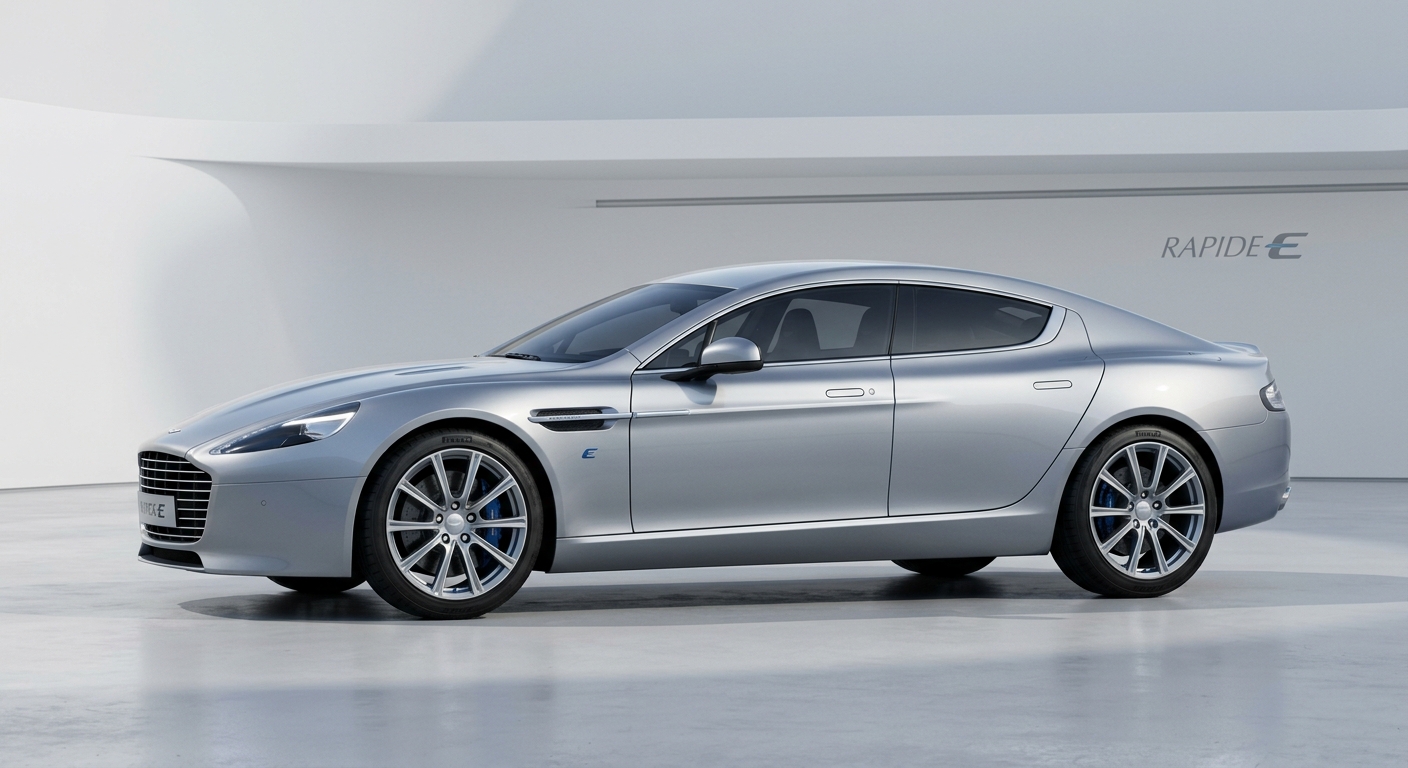
The 2019 Aston Martin Rapide E represented a pivotal moment for the storied British marque. As their first fully electric production vehicle, it promised to deliver the brand’s signature blend of luxury and performance while embracing a sustainable future. Though ultimately limited to just 155 units, the Rapide E offered a tantalizing glimpse of electric motoring wrapped in quintessentially British elegance.
A Quiet Revolution
Built on the bones of the V12-powered Rapide S, the Rapide E underwent extensive re-engineering to accommodate its electric drivetrain. The transformation was more than skin deep, with Aston Martin partnering with Williams Advanced Engineering to develop a sophisticated 800-volt electrical architecture that would become a template for future electric Astons.
The heart of the system was a 65kWh battery pack, carefully integrated into the car’s structure to maintain optimal weight distribution. Twin electric motors mounted at the rear axle produced a combined 602 horsepower and 701 lb-ft of torque, figures that ensured the Rapide E could match its gasoline siblings for straight-line performance while offering the instant torque delivery that only electric motors can provide.
Performance Meets Refinement
Behind the wheel, the Rapide E delivered a uniquely Aston Martin interpretation of electric performance. The acceleration was brutal yet refined, with the car surging forward in near-silence broken only by the subtle whir of electric motors and the whisper of wind over the bodywork. The 0-60 mph sprint took just 4.2 seconds, while the top speed was electronically limited to 155 mph to preserve range.
The driving experience retained much of what made the original Rapide special. The steering was precise and well-weighted, the suspension struck an admirable balance between comfort and control, and the overall character remained unmistakably Aston Martin. The instant torque delivery actually enhanced the car’s grand touring credentials, making overtaking effortless and highway cruising supremely relaxed.
Range and Charging Considerations
With a WLTP range of 200 miles, the Rapide E was positioned more as a luxury statement than a practical long-distance tourer. The relatively modest battery capacity reflected the limitations of 2019 technology and the challenges of retrofitting electric components into an existing platform. However, the car’s 100kW DC fast-charging capability meant that topping up the battery during longer journeys was reasonably swift by the standards of the time.
The charging infrastructure of 2019 made the Rapide E a challenging proposition for anything beyond local luxury transport, but for those who could accommodate its limitations, it offered an unparalleled combination of electric performance and traditional British craftsmanship.
Interior Luxury
Inside, the Rapide E maintained the exquisite attention to detail that Aston Martin customers expected. Hand-stitched leather, real wood veneers, and precisely machined metal switchgear created an ambiance of understated luxury. The rear seats provided genuine accommodation for adult passengers, making this a true four-door grand tourer rather than a compromised sports car.
Special touches included unique electric vehicle displays and subtle badging that identified this as something special within the Aston Martin lineup. The overall effect was of a traditional luxury saloon that happened to be powered by electricity rather than a futuristic electric vehicle trying to be luxurious.
The Rapide E remains a fascinating footnote in Aston Martin’s history, a bold but ultimately compromised first step into the electric future. While its limited range and hefty price tag made it more of a technology showcase than a practical proposition, it successfully demonstrated that electric power and traditional British luxury could coexist beautifully. For the fortunate few who owned one, the Rapide E offered a unique combination of silent performance and handcrafted elegance that no other manufacturer could match.